
Agencies | Washington:
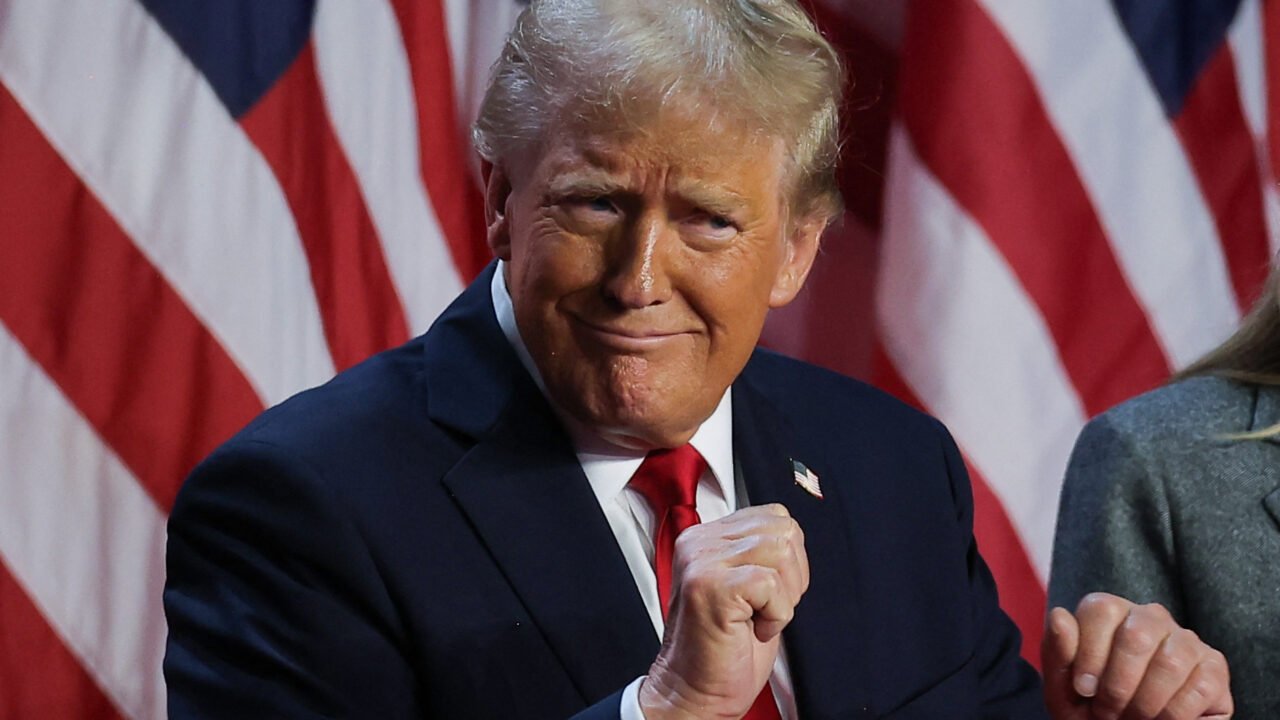
US President Donald Trump on Saturday announced an increase in tariffs on all countries to 15 per cent, up from the 10 per cent levy imposed a day earlier, escalating global trade tensions even as legal and diplomatic questions loom.
The move comes in the wake of a US Supreme Court ruling that struck down his earlier sweeping tariffs, terming them illegal and beyond presidential authority. Responding swiftly, Trump invoked Section 122 of the Trade Act of 1974 to impose a “temporary import surcharge” of 10 per cent ad valorem on all imports for 150 days, effective February 24. He has now declared that the rate will be raised to 15 per cent with immediate effect.
In a social media post, Trump criticised the court’s verdict and defended his tariff policy as necessary to address what he described as long-standing imbalances in international trade. He said the revised levy was “fully allowed and legally tested” and would continue the administration’s agenda of protecting American economic interests.
A White House fact sheet stated that certain goods would remain exempt from the temporary import duty due to domestic economic needs. These include critical minerals, energy products, fertilisers, select agricultural commodities such as beef, tomatoes and oranges, pharmaceuticals, certain electronics, vehicles, aerospace products, and metals used in currency and bullion.
India Reviewing Developments
The Indian government said it is closely studying the developments and their implications.
“We have noted the US Supreme Court judgement on tariffs and subsequent announcements by the US administration. We are examining all these developments for their implications,” the Commerce Ministry said in a statement.
Trump also indicated that existing trade arrangements with India would not change, stating that India would continue to pay tariffs on exports to the US while American goods would not face reciprocal duties under the new understanding.
The US had earlier imposed a 25 per cent reciprocal tariff on India in August, followed by an additional 25 per cent levy linked to India’s purchase of Russian crude oil, taking the total to 50 per cent. Subsequently, both sides agreed to an interim arrangement under which the punitive 25 per cent component was removed, leaving a 25 per cent levy in place.
With the new proclamation, tariffs on Indian goods were set to drop to 10 per cent from the existing 25 per cent for a 150-day period. However, Trump’s latest announcement to raise the surcharge to 15 per cent — if formally notified — would increase the effective duty over and above the existing Most Favoured Nation (MFN) rate. For example, a product attracting a 5 per cent MFN duty would now face a total of 20 per cent duty.
There is, however, no clarity on what tariff regime will apply after the 150-day period.
Trade Talks and Industry Response
An Indian delegation is scheduled to visit Washington from February 23 to 26, 2026, to finalise the legal text for the first phase of a bilateral trade agreement. Commerce Minister Piyush Goyal has earlier indicated that the agreement could be signed in March and implemented in April.
The Federation of Indian Export Organisations (FIEO) welcomed the initial 10 per cent tariff announcement, stating that lower duties could improve competitiveness for sectors such as pharmaceuticals, electronics, engineering goods, textiles, and gems and jewellery.
However, FIEO noted that Section 232 tariffs on steel, aluminium and copper (50 per cent) and certain auto products (25 per cent) remain in force, limiting overall gains. It added that India should use the changed tariff environment to expand market share while continuing negotiations for greater stability.
Think tank GTRI cautioned that the Supreme Court ruling and the temporary tariff response have injected uncertainty into global trade relations. It suggested that countries which made concessions to avoid higher US tariffs may now reassess their positions, given the legal fragility and limited duration of the new surcharge.
The opposition Congress party called on the government to put the interim trade agreement on hold and renegotiate terms, with party leader Jairam Ramesh urging that Indian farmers’ interests be fully safeguarded.
Strategic Trade Ties at Stake
The United States remains India’s largest trading partner in goods, accounting for around 18 per cent of India’s total exports and over 10 per cent of bilateral trade. In 2024–25, bilateral trade between the two countries reached USD 186 billion, including USD 86.5 billion in exports and USD 45.3 billion in imports.
As both nations prepare for crucial negotiations, the evolving tariff landscape is likely to shape the trajectory of India-US trade relations in the months ahead.