
Agencies | Banglore:
The Karnataka Food Safety and Drug Administration Department has intensified inspections of hotels, restaurants, highway dhabas and other food establishments across the state, warning that violations of food safety and hygiene regulations could invite legal action.
As part of the intensified enforcement drive, the department has issued an 11-point food safety advisory covering the entire food chain—from procurement and storage of ingredients to food preparation, transportation, serving and waste disposal.
The advisory places particular emphasis on preventing the sale of expired or spoiled food, maintaining prescribed temperatures, ensuring kitchen hygiene, controlling pests, providing safe drinking water and preventing the repeated use of cooking oil.
No Expired or Spoiled Food
Food establishments have been directed to immediately remove expired food products and dispose of them safely.
Spoiled fruits and vegetables, as well as food showing signs of fungal growth, must not be stored, prepared or served to customers. The department has also prohibited the use of unsafe artificial colours and unauthorised food additives.
Strict Temperature Control
Restaurants and other food establishments have been asked to maintain food at appropriate temperatures to prevent contamination and bacterial growth.
Chilled food should be maintained below 4°C, while frozen food must be stored at around -18°C. Cold food displayed or stored for service should generally remain below 5°C, wherever applicable.
Similarly, hot food being stored or displayed should be maintained above 60°C, wherever applicable.
Separate Raw Meat and Vegetables
The advisory calls for strict segregation of raw meat, fish and seafood from vegetables and other food items.
Separate chopping boards, knives and utensils should be used for vegetarian and non-vegetarian food to prevent cross-contamination. Food must also be thoroughly cooked before being served.
Kitchens Must Meet Hygiene Standards
Restaurants have been instructed to maintain clean, properly ventilated and well-maintained kitchens.
Separate sinks should be provided for washing raw food and cleaning utensils. Crockery, cutlery and cooking utensils must be washed properly using detergent and hot water.
Walls, floors and ceilings should be maintained in good condition, while cracks, peeling paint and exposed or hanging electrical wires must be repaired.
Where necessary, establishments should install mesh screens or air curtains to prevent dust and insects from entering food preparation areas.
Ingredients Must Come From Reliable Sources
The department has directed establishments to procure raw materials only from reliable and approved suppliers.
Ingredients must be stored hygienically and at prescribed temperatures. Fruits and vegetables should be thoroughly washed before use, while food ingredients must be routinely checked for spoilage.
Food should remain covered and adequately protected during storage. Chemical and microbiological testing should also be carried out wherever required.
Stricter Hygiene Rules for Food Handlers
The advisory also puts responsibility on kitchen staff and food handlers to maintain high standards of personal hygiene.
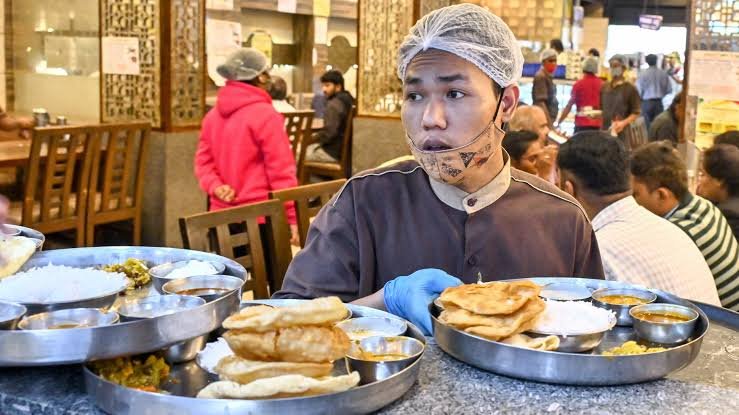
Workers must wear clean uniforms and appropriate protective clothing, with hairnets or head covers used wherever required. Hands and fingernails must be kept clean.
Food handlers should also have valid medical fitness records and receive regular training on food safety and personal hygiene practices.
Food Transportation Under Watch
The department has extended food safety monitoring beyond restaurant kitchens to transportation.
Vehicles used for transporting food must be clean and hygienic and should be used exclusively for carrying food products. Transportation time should be kept to a minimum, with prescribed temperatures maintained throughout the journey.
Packaged products, including bottled beverages, sterilised milk and canned food, must be transported in a manner that prevents damage to their seals and packaging.
Safe Drinking Water Mandatory
Hotels, restaurants and other food establishments have been directed to use only safe and potable water for cooking, food preparation, cleaning and washing utensils.
Water quality must be tested regularly, with proper records maintained. Establishments must also provide customers with safe drinking water free of charge.
Clean Toilets and Hand-Washing Facilities
Food establishments are required to provide customers with clean and well-maintained toilet facilities.
Adequate water and soap must be available for handwashing, while hot-water facilities should also be provided for public use wherever required.
Pest Control Measures
The advisory calls for stronger preventive measures against cockroaches, rats, rodents, flies and other pests capable of contaminating food.
Regular pest-control operations should be undertaken and records maintained. Food storage and cooking areas must be kept clean and free from conditions that could encourage pest infestation.
Restrictions on Reuse of Cooking Oil
The department has also focused on the improper reuse and disposal of cooking oil.
Used cooking oil must not be repeatedly reused for food preparation beyond permissible limits. Waste cooking oil should be collected and disposed of through authorised channels.
Kitchen waste must be segregated and disposed of properly, while food waste should not be allowed to accumulate inside kitchens or food preparation areas.
Legal Action for Violations
The Karnataka Food Safety and Drug Administration Department has warned that establishments failing to comply with food safety requirements could face action under applicable laws.
The intensified inspection campaign effectively places the entire food chain under scrutiny—from the sourcing of ingredients and their storage to preparation, transportation, serving and disposal.
The move is aimed at ensuring that food served at hotels, restaurants, highway dhabas and other establishments is not merely fit to eat but is prepared, stored and served in accordance with prescribed safety and hygiene standards.
For consumers, the enforcement drive is expected to strengthen safeguards against food contamination, unhygienic kitchens, unsafe ingredients and improper food-handling practices, while encouraging establishments to adopt higher standards of cleanliness and food safety.