
Agencies | Theran:
Fresh attacks on commercial shipping in the Strait of Hormuz have cast a shadow over the fragile diplomatic process between the United States and Iran, threatening to derail months of negotiations aimed at easing tensions in the region.
The attacks on three merchant vessels, including a Qatari liquefied natural gas (LNG) tanker, were followed by US military strikes and renewed sanctions on Iranian oil exports, raising concerns that the world’s most critical energy corridor could once again become the centre of a broader regional confrontation.
The incidents come only weeks after Washington and Tehran agreed to a 60-day framework for negotiations following months of military tensions, offering cautious optimism for a diplomatic breakthrough.
Attacks in the Strait of Hormuz
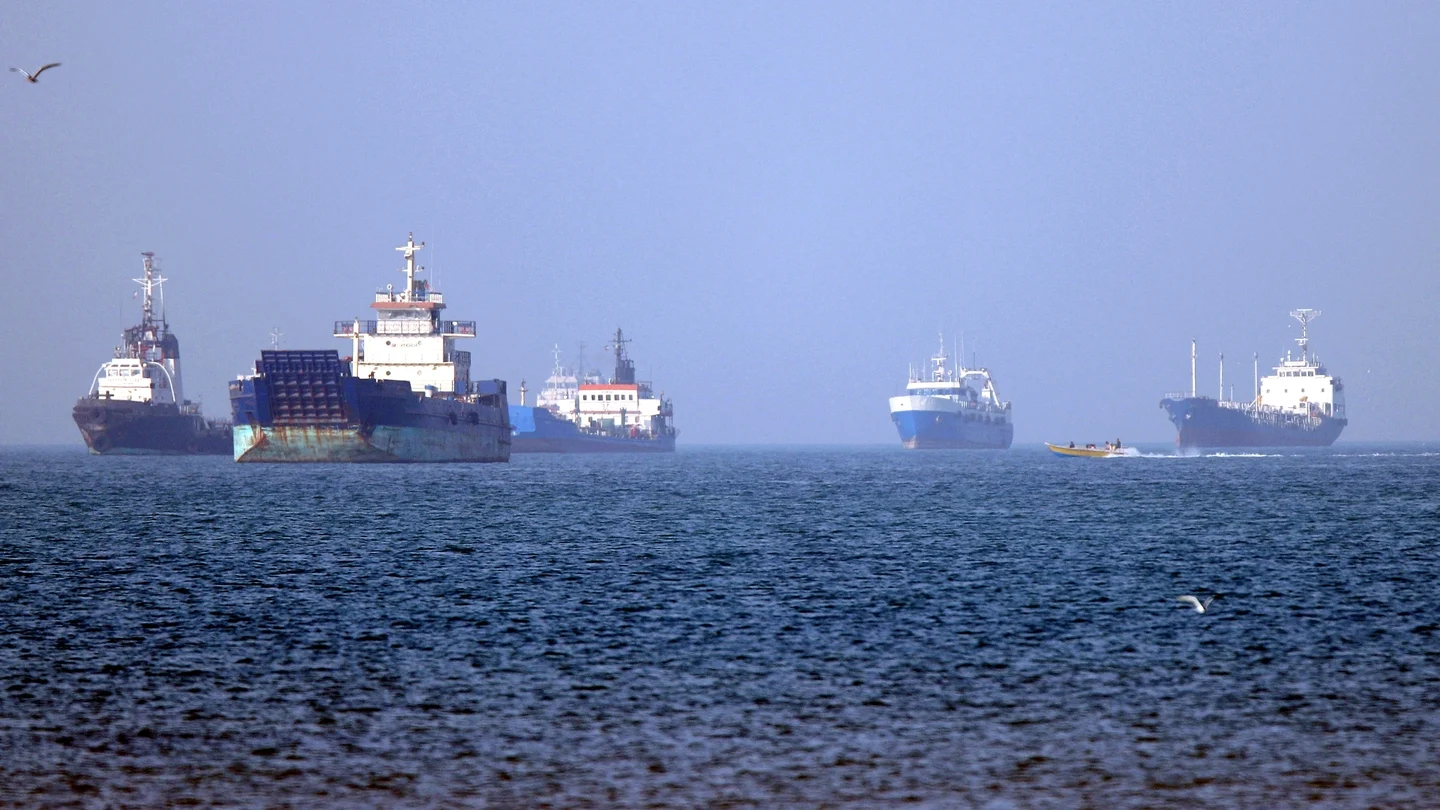
According to British maritime security authorities, three commercial vessels came under attack while transiting the Strait of Hormuz, with at least one tanker catching fire after being struck by a projectile. The attacks prompted emergency responses and fresh security advisories for commercial shipping in the Gulf.
Washington has blamed Iran for the attacks, calling them a violation of the ceasefire understandings reached earlier this year. Tehran has denied involvement and accused the United States of undermining the diplomatic framework through fresh military strikes and renewed economic sanctions.
Why the Strait of Hormuz Matters
The Strait of Hormuz is regarded as the world’s most strategically important energy chokepoint. Linking the Persian Gulf with the Gulf of Oman and the Arabian Sea, it serves as the principal export route for crude oil and LNG from major Gulf producers, including Saudi Arabia, Iraq, Kuwait, the United Arab Emirates and Qatar.
Nearly one-fifth of global oil supplies and a significant share of LNG exports pass through the narrow waterway each day. Even temporary disruptions can sharply increase shipping and insurance costs, delay energy supplies and trigger volatility in international oil markets.
Analysts note that control over security in the Strait carries not only military significance but also considerable diplomatic leverage.
Impact on US-Iran Diplomacy
The latest maritime attacks have dealt a significant blow to confidence-building efforts between Washington and Tehran.
The ongoing negotiations are based on an interim understanding intended to reduce military tensions while allowing discussions on Iran’s nuclear programme, sanctions relief and regional security to continue.
However, both sides are now accusing each other of violating that framework.
The United States argues that attacks on civilian shipping crossed a red line, while Iran maintains that recent American military strikes and tighter restrictions on its oil exports amount to breaches of the same agreement.
Diplomatic observers warn that the mutual accusations have further eroded trust, making meaningful progress at the negotiating table increasingly difficult.
Renewed Economic Pressure
The maritime incidents were quickly followed by fresh economic measures.
The Trump administration announced the revocation of a licence that had allowed limited Iranian oil exports, signalling a return to tighter economic pressure despite ongoing diplomatic engagement.
Iran has consistently maintained that meaningful sanctions relief is essential to any lasting agreement, making the latest US action another major obstacle to negotiations.
Risk of Wider Escalation
The possibility of renewed military escalation remains a major concern.
The latest US strikes reportedly targeted Iranian military infrastructure linked to attacks on commercial shipping. President Donald Trump warned that Iran would face “heavy costs” for targeting merchant vessels, while Tehran vowed to respond firmly to what it described as violations of the peace agreement.
With both sides claiming the other initiated the latest breach, regional diplomats fear that further miscalculations could rapidly trigger a wider conflict.
Concerns Among Gulf States
The renewed tensions have also unsettled Gulf nations that were hoping the ceasefire would restore stability to maritime trade.
Qatar condemned the attacks after one of its LNG tankers was targeted, while Britain and France have proposed a multinational maritime security mission to safeguard shipping in the Strait of Hormuz. Such a deployment, however, would require broader regional consensus and could itself become politically sensitive.
Will Diplomacy Survive?
Despite the latest escalation, neither Washington nor Tehran has formally withdrawn from the negotiation framework.
Regional mediators, particularly Qatar and Oman, continue to support diplomatic engagement, recognising that prolonged conflict would carry severe economic and security consequences for the region.
However, analysts caution that every new military incident increases domestic political pressure on both governments, narrowing the space for compromise and making future negotiations increasingly difficult.
Implications for India
The developments are being closely watched in India, which relies heavily on energy imports from the Gulf.
Approximately 40 per cent of India’s crude oil imports originate from Gulf producers whose exports pass through or near the Strait of Hormuz. The region is also home to millions of Indian expatriates and remains central to India’s energy security.
Any prolonged disruption to shipping could raise freight and insurance costs, push up global crude oil prices and ultimately increase fuel prices and inflation in India.
For now, commercial shipping continues under heightened security. However, the latest attacks underscore the continuing strategic importance of the Strait of Hormuz and the risk that further escalation could undermine an already fragile peace process while disrupting global energy markets.