
Agencies | NewDelhi:
India on Monday rejected an award issued by the so-called Court of Arbitration (CoA) on interim measures and the status of the Indus Waters Treaty (IWT) with Pakistan, reiterating that its decision to keep the 1960 pact in abeyance remains in force.
The Ministry of External Affairs (MEA) said the arbitration body was constituted by the World Bank in violation of the provisions of the treaty and maintained that India has never recognised its legal existence.
“India has consistently maintained that the very establishment of this alleged arbitral body constitutes a grave violation of the Indus Waters Treaty,” the MEA said in a statement.
The ministry added that India had neither appeared before the body nor accepted any of its earlier pronouncements.
The MEA asserted that the so-called Court of Arbitration has no jurisdiction over India’s sovereign decisions concerning projects being undertaken on rivers covered by the treaty.
“Its pronouncements, now or in the future, will have no effect on India’s actions in connection with the projects being undertaken by India,” the ministry said.
The government reiterated that India’s decision to hold the Indus Waters Treaty in abeyance remains in force.
New Delhi suspended the treaty following the Pahalgam terror attack last year, in which 25 Indians were killed. India had subsequently announced a series of measures against Pakistan in response to the attack, which it attributed to Pakistan-backed terrorism.
The Court of Arbitration, however, took a contrasting position, stating that none of the grounds cited could justify the suspension or termination of the Indus Waters Treaty.
It held that India remains bound by its obligations under the agreement, including provisions governing the design and operation of hydroelectric projects on the Western Rivers.
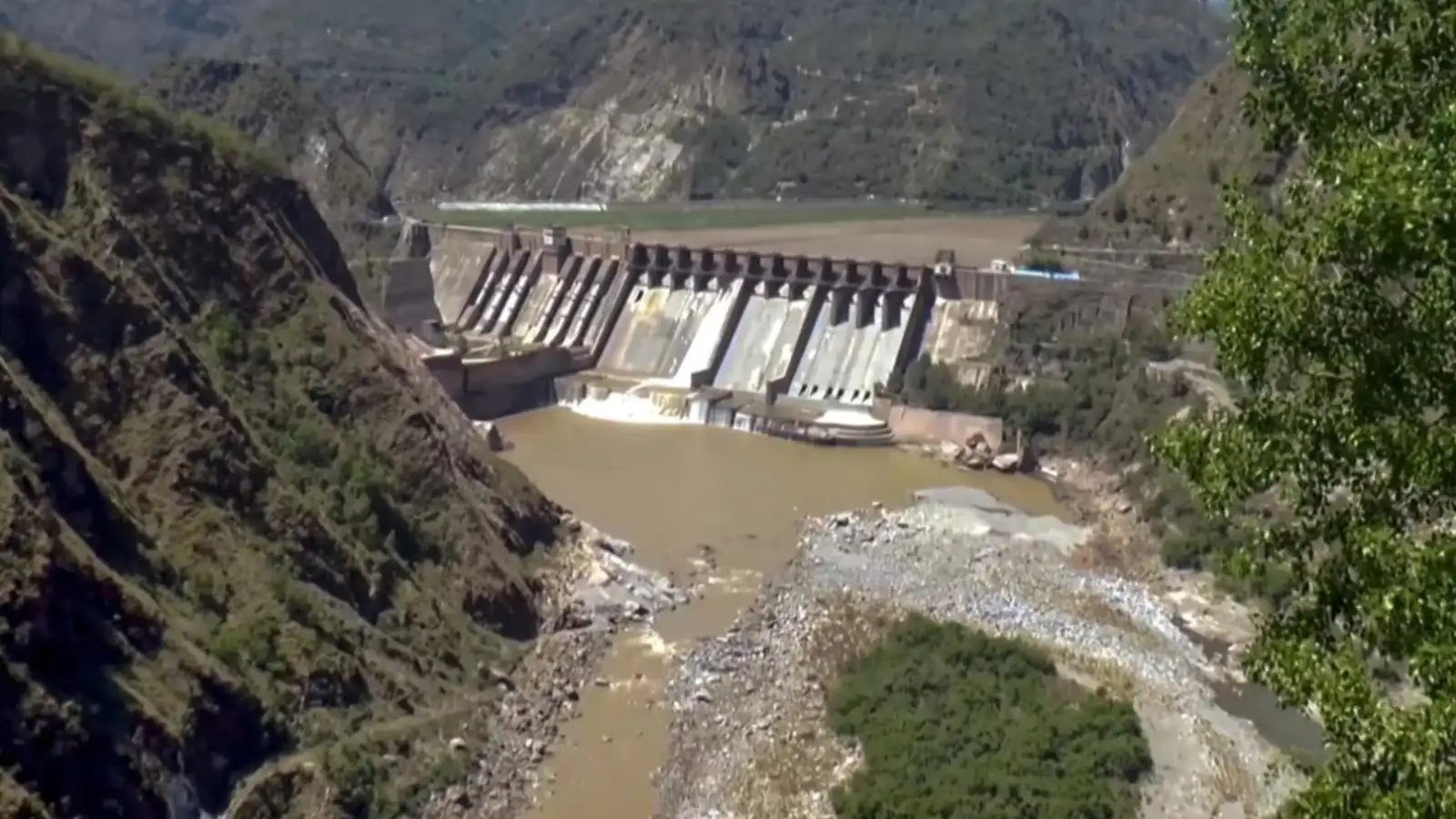
The court also ordered interim measures concerning the Ratle Hydroelectric Project (RHEP) in Jammu and Kashmir.
Under the measures, India has been prohibited from concreting portions of the RHEP dam wall and power-intake structure above specified levels until 90 days after the Neutral Expert issues a final decision, which is expected in July 2027.
The court also imposed a reporting requirement concerning the RHEP construction schedule, with the measure remaining in place until shortly after the Neutral Expert’s final decision.
The arbitration body maintained that the Indus Waters Treaty remains fully in force, directly contradicting India’s position that the agreement has been placed in abeyance.
The dispute highlights the deepening disagreement between India and Pakistan over the interpretation and implementation of the treaty, particularly concerning India’s hydroelectric projects on rivers allocated to Pakistan under the 1960 agreement.
India, meanwhile, has made clear that it does not accept the jurisdiction or authority of the arbitration mechanism constituted in the matter and will continue to maintain its position that the treaty remains in abeyance.