
Agencies | Srinagar:
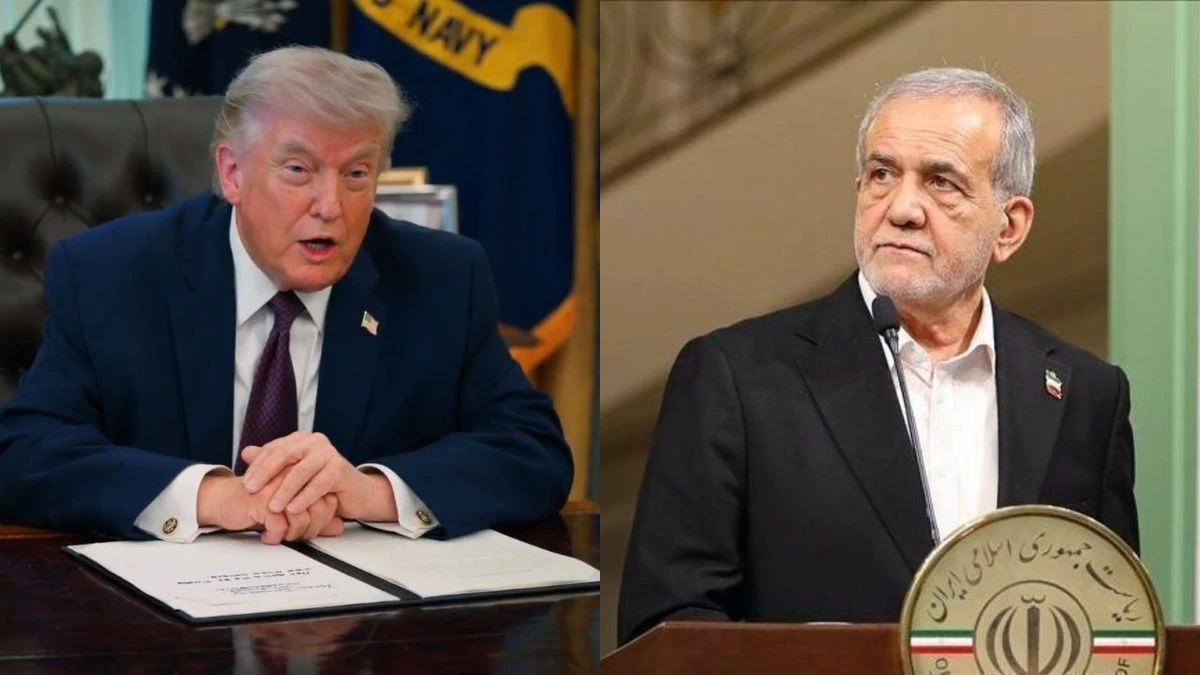
As the fragile ceasefire between the United States and Iran approaches its expiry, uncertainty looms over the proposed next round of talks in Islamabad. While US President Donald Trump has announced that an American delegation will travel to Pakistan for negotiations, Iran has indicated there are “currently no plans to participate,” raising the possibility that talks may stall before they begin.
The hesitation reflects a broader pattern that has characterised recent engagements between Washington and Tehran. Despite intermittent signs of progress, negotiations have repeatedly faltered amid military tensions, competing demands, and a persistent trust deficit.
At the core of the current uncertainty are sharply differing preconditions. The United States is moving ahead with plans to send a high-level delegation, reportedly led by Vice President JD Vance, while Iran has made its participation conditional on the lifting of the US naval blockade on its ports. Tehran views the blockade as a violation of the ceasefire and a major obstacle to meaningful dialogue.
Tensions surrounding the ceasefire itself have further complicated diplomacy. Iran has accused Washington of breaching the truce through continued maritime restrictions and alleged interceptions near the Strait of Hormuz, while the United States has countered by accusing Iran of targeting commercial vessels in the same region. These competing narratives have reinforced a cycle of mistrust, with each side viewing its actions as defensive.
Miscommunication has also played a significant role in undermining progress. Conflicting public statements—particularly regarding the status of shipping routes in the Strait of Hormuz—have led to confusion and policy reversals, deepening scepticism within Tehran about Washington’s intentions.
Beyond immediate tensions, fundamental disagreements continue to block a comprehensive deal. The United States is pressing for a complete halt to Iran’s nuclear programme, while Tehran insists on retaining its rights under international frameworks. Disputes over Iran’s enriched uranium stockpile, sanctions relief, and access to frozen assets remain unresolved. The strategic importance of the Strait of Hormuz—through which a substantial portion of global oil trade passes—adds another layer of complexity, with both sides using it as leverage.
Trust remains the most significant barrier. Iranian officials have accused the US of adopting a “maximalist” approach and shifting its stance during negotiations. At the same time, Trump’s dual strategy of engagement and strong warnings of military action has contributed to volatility, making sustained dialogue difficult.
While both sides acknowledge limited progress, officials have conceded that major gaps persist and that discussions are still at a preliminary stage. With the ceasefire deadline fast approaching, the window for diplomacy is narrowing.
Even if talks in Islamabad proceed, the path to a breakthrough remains uncertain, with unresolved core issues and deep-rooted mistrust continuing to cast a long shadow over the prospects for peace.