
By. Syed Salman
In the quiet villages of Kashmir, far from the bustle of traditional tourist circuits, a silent economic transformation is underway. The rise of homestays is not just reshaping how tourists experience the Valley—it is also emerging as a powerful tool for employment generation and grassroots entrepreneurship.
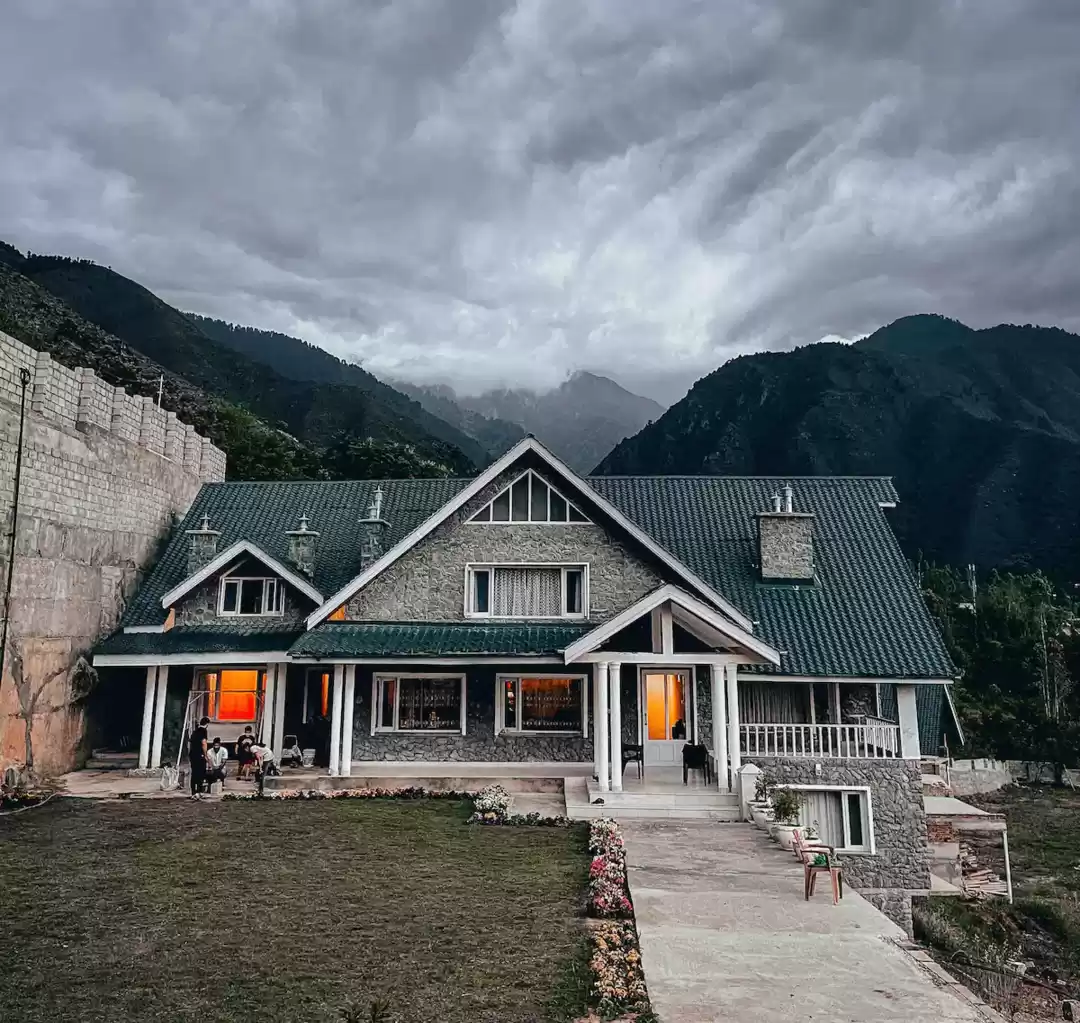
From the apple orchards of Shopian to the serene landscapes of Gurez and the pastoral beauty of Doodhpathri, local households are opening their doors to visitors, offering an immersive cultural experience that hotels often cannot replicate. For many families, this shift from traditional livelihoods to hospitality has become a sustainable source of income.
A New Model of Tourism
Unlike conventional tourism infrastructure, homestays rely on existing residential spaces. With minimal investment, homeowners convert spare rooms into guest accommodations, offering tourists authentic Kashmiri hospitality—home-cooked meals, local stories, and a firsthand glimpse into daily life.
This model aligns well with the evolving preferences of modern travelers, who increasingly seek personalized and experiential stays. For Kashmir, it provides an opportunity to diversify tourism beyond houseboats and hotels, especially in lesser-explored areas.
Employment at the Doorstep
One of the most significant impacts of the homestay movement is job creation at the local level. Each homestay generates multiple indirect employment opportunities:
- Local youth are hired as guides and transport providers
- Women contribute through cooking, housekeeping, and handicrafts
- Farmers and artisans find a new market for their produce and products
In a region where unemployment remains a pressing concern, particularly among youth, homestays offer a practical and scalable solution. They require relatively low capital and can be managed within the household, making them accessible even in remote areas.
Women at the Centre
Perhaps the most transformative aspect of this model is the role of women. Traditionally confined to domestic roles, many Kashmiri women are now actively participating in the tourism economy. By managing guest services, preparing traditional cuisine, and even handling bookings, they are gaining financial independence and social confidence.
This shift is gradually redefining gender roles within rural communities, positioning women as key contributors to household income.
Government Push and Policy Support
Recognizing the potential of homestays, the Jammu and Kashmir administration has introduced several initiatives to promote this sector. Training programmes, financial assistance, and simplified registration processes have encouraged more households to join the movement.
Schemes linked to rural development and tourism departments are focusing on skill-building—hospitality management, hygiene standards, and digital literacy—ensuring that homestay operators can compete with formal accommodation providers.
Challenges on the Ground
Despite its promise, the homestay sector faces several challenges. Lack of proper marketing, limited online visibility, and inconsistent service standards can affect tourist confidence. Infrastructure gaps—such as poor road connectivity, unreliable internet, and inadequate sanitation facilities—remain hurdles in remote areas.
Additionally, there is a need for better regulation to maintain quality and safety without discouraging small operators.
The Road Ahead
For homestays to realise their full potential, a more integrated approach is required. Linking them with digital booking platforms, promoting them through tourism campaigns, and creating local clusters can significantly boost their reach.
There is also scope to integrate homestays with other sectors—such as agri-tourism, handicrafts, and eco-tourism—creating a holistic rural economy.
Beyond Tourism
At its core, the homestay model is more than just an alternative accommodation option—it is a pathway to inclusive growth. It brings tourism revenue directly into local communities, reduces migration by creating opportunities at home, and preserves cultural heritage by making it economically viable.
In Kashmir, where natural beauty has always been the biggest asset, homestays are ensuring that its people become equal stakeholders in the tourism story.
As the Valley continues to attract visitors from across the globe, the success of homestays may well define the future of sustainable and employment-driven tourism in the region.