
Agencies | Beijing:
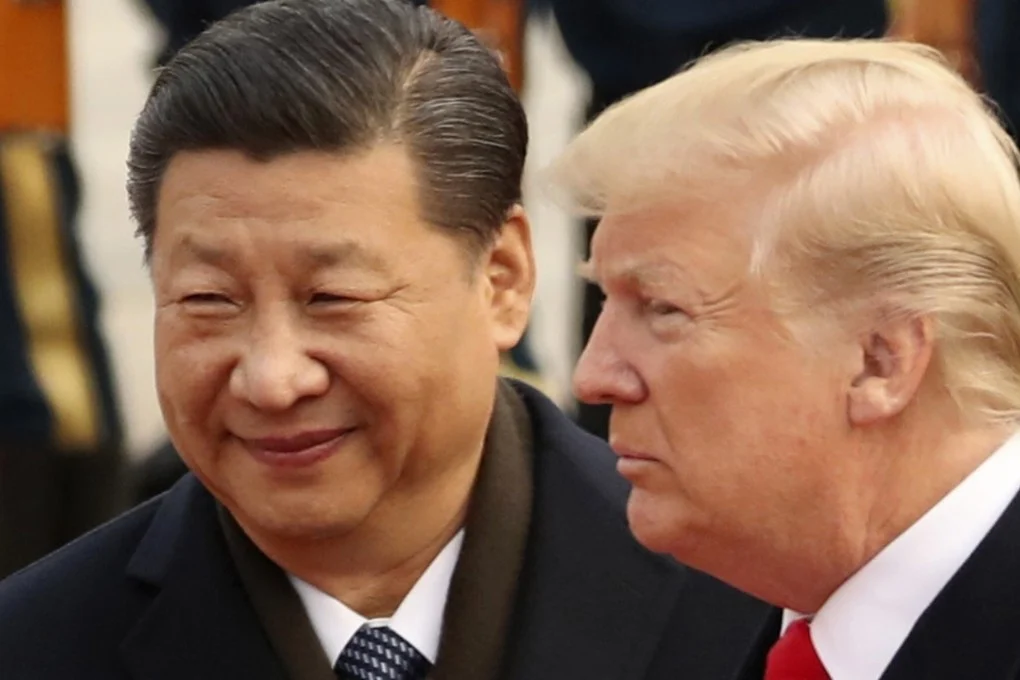
The United States and China sought to stabilise their strained relationship during a closely watched summit in Beijing, where US President Donald Trump and Chinese President Xi Jinping adopted a notably conciliatory tone despite deep disagreements over trade, security and geopolitical issues.
After years of tensions surrounding tariffs, technology restrictions, intellectual property disputes and regional security concerns, both leaders signalled a willingness to prevent further escalation and establish a more predictable framework for engagement between the world’s two largest economies.
Push for ‘Strategic Stability’
The summit’s central outcome was an agreement to pursue what Xi described as a “constructive China-US relationship of strategic stability.” Rather than attempting to resolve all disputes immediately, both sides appeared focused on managing competition responsibly while maintaining channels for cooperation and dialogue.
Trade Talks Show Positive Momentum
Ahead of the summit, senior economic officials from both countries held negotiations that were described as “balanced and positive,” helping pave the way for the high-level meeting.
The discussions involved US Treasury Secretary Scott Bessent and Chinese Vice Premier He Lifeng. Beijing reiterated that its “door to opening up will only open wider,” while several American business leaders accompanied Trump during the visit to strengthen commercial engagement.
Cooperation Beyond Economics
The summit extended beyond trade issues, with both governments discussing cooperation in agriculture, tourism, diplomatic coordination and military communication mechanisms.
US officials said Washington also pushed for expanded access to Chinese markets, greater Chinese investment in select American sectors, stricter action against fentanyl trafficking into the United States and increased Chinese purchases of US agricultural products.
Focus on West Asia and Energy Security
Global security issues featured prominently during the talks, particularly the situation in West Asia and the stability of global energy supply chains.
Both countries agreed that the Strait of Hormuz — one of the world’s most critical oil shipping routes — must remain open and secure. China reiterated its opposition to the “militarisation” of the strategic waterway while also indicating interest in increasing imports of American oil to reduce dependence on Middle Eastern energy supplies.
Officials further stated that both Washington and Beijing agreed that Iran must not be allowed to acquire nuclear weapons.
Taiwan Emerges as Key Flashpoint
Despite efforts to project stability, Taiwan remained the most sensitive and potentially dangerous issue during the summit.
Xi Jinping described Taiwan as “the most important issue in US-China relations” and warned that mishandling the matter could push ties toward “collision or conflict.”
While the summit helped ease immediate tensions, analysts believe the Taiwan issue will continue to remain the most volatile fault line in relations between Washington and Beijing.