Examiner News Desk | Srinagar:
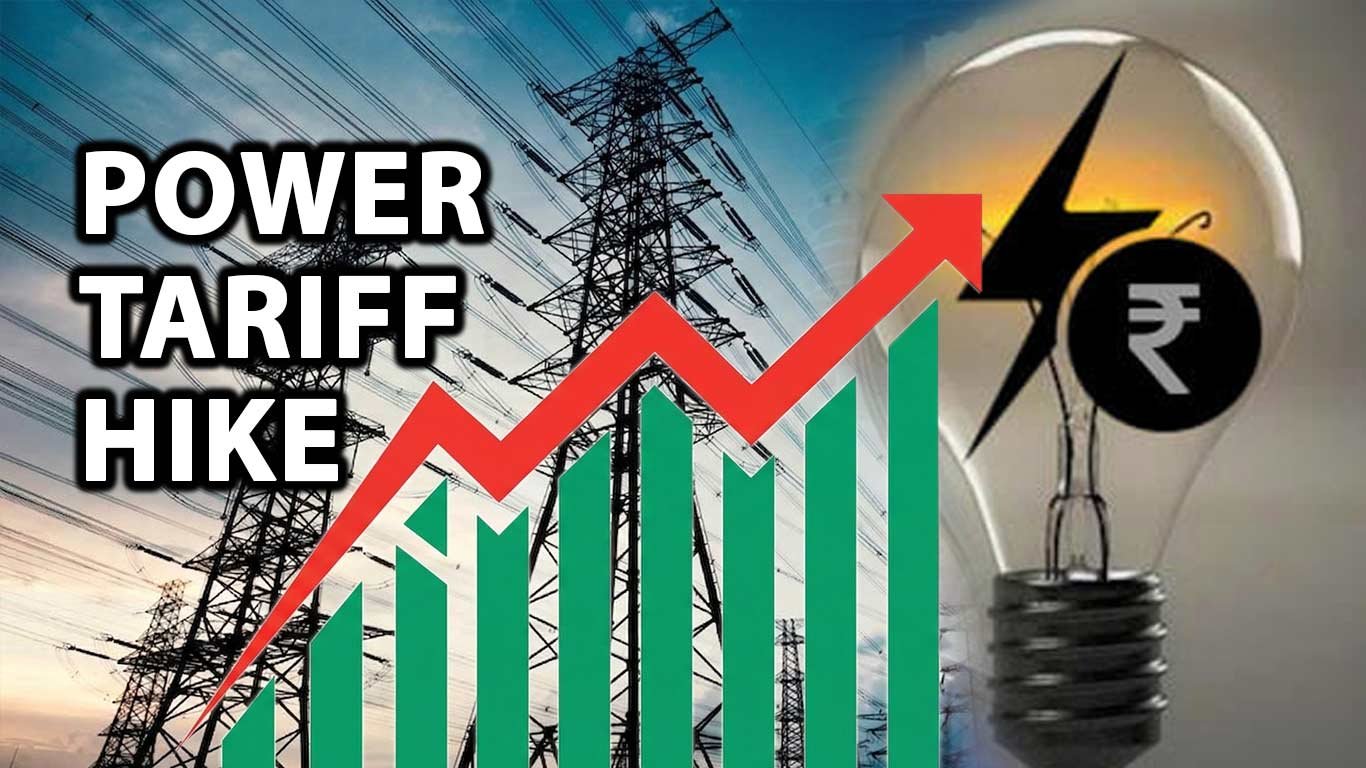
A decision by the Joint Electricity Regulatory Commission (JERC) to approve an average 6.83 per cent power tariff increase in Jammu and Kashmir starting September 1, 2026, has ignited an intense political debate. Coming less than two years after the 2024 Assembly elections—where commitments of free electricity, rations, and economic relief headlined political manifestos—the revision has placed the Omar Abdullah-led administration under heavy opposition scrutiny.
The revised rates will remain in force through March 31, 2027, forcing a sharp public conversation over household affordability, the extent of government subsidies, and the ongoing financial deficit within J&K’s power distribution sector.
People’s Democratic Party (PDP) leader Waheed Ur Rehman Para mounted a direct political attack on the government shortly after the announcement.
Taking to X (formerly Twitter), Para highlighted that the hike comes at a time when families are struggling under high unemployment and rising living costs. He directly questioned the feasibility of pre-election promises made by the ruling National Conference coalition regarding subsidized utilities.
“From promises of free power and relief to higher bills—what happened to the commitment?” Para asked, tagging Chief Minister Omar Abdullah.
Para’s critique echoes a growing sentiment among opposition parties that ordinary consumers are being forced to absorb the financial inefficiencies of state distribution utilities at a time when household budgets are already stretched.
Regulator’s Defense: Subsidies Prevented 40% Rate Shock
The JERC tariff order presents a stark financial reality behind the electricity grid’s operations.
According to the regulatory assessment for 2026–27, the combined Annual Revenue Requirement (ARR) for the Jammu Power Distribution Corporation Limited (JPDCL) and Kashmir Power Distribution Corporation Limited (KPDCL) stands at ₹10,275.72 crore.
- Revenue at Existing Rates: Estimated at ₹7,352.87 crore.
- Unfunded Revenue Gap: Approximately ₹2,922.85 crore.
┌─────────────────────────────────────────────────────────────────────────────┐│ FINANCIAL BREAKDOWN (2026–27) │├─────────────────────────────────────────┬───────────────────────────────────┤│ Total Revenue Requirement (ARR) │ ₹10,275.72 Crore ││ Revenue Generated at Existing Rates │ ₹7,352.87 Crore │├─────────────────────────────────────────┼───────────────────────────────────┤│ Revenue Deficit (Before Support) │ ₹2,922.85 Crore ││ Required Hike Without Subsidies │ ~40.00% │├─────────────────────────────────────────┼───────────────────────────────────┤│ Government Subsidy & Grant Support │ ₹2,420.78 Crore ││ Approved Average Tariff Hike │ 6.83% │└─────────────────────────────────────────┴───────────────────────────────────┘The Commission noted that passing the entire deficit onto consumers would have required an catastrophic 40 per cent tariff surge. To prevent a severe economic blow to citizens, the government committed ₹2,420.78 crore in direct subsidies and grants, capping the average increase at 6.83 per cent and pushing expected tariff revenue to ₹7,854.94 crore.
The revised structure continues to shield low-income groups and agricultural users through targeted subsidies:
- Below Poverty Line (BPL) Households: Protected from the hike. Consumers using up to 30 units per month will continue to pay ₹1.40 per unit with a fixed monthly charge of ₹5.
- Domestic Metered Connections:
- Up to 200 units: ₹2.45 per unit
- 201 to 400 units: ₹4.20 per unit
- Above 400 units: ₹4.60 per unit
- Fixed Charge: ₹10 per kW/month
- Agricultural & Commercial: Agricultural users retain concessional pricing, while commercial and industrial establishments face distinct categorized tariff brackets.
Policy Dilemma: Who Pays for the Power Gap?
Beyond immediate political friction, the tariff adjustment exposes a long-standing structural crisis in J&K’s power sector. For years, regional authorities have struggled to balance affordable consumer pricing against steep power procurement costs and high aggregate technical and commercial (AT&C) losses.
As part of a multi-year framework spanning through 2028–29, JERC has set strict distribution-loss reduction targets of 15% for JPDCL and 19% for KPDCL.
The ultimate test for the Omar Abdullah administration will be administrative. To defuse growing opposition pressure, the government must demonstrate that higher consumer bills translate directly into reduced power cuts, better winter voltage stability, and long-overdue infrastructure upgrades across both Jammu and Kashmir divisions.