
Agencies | Sanaa:
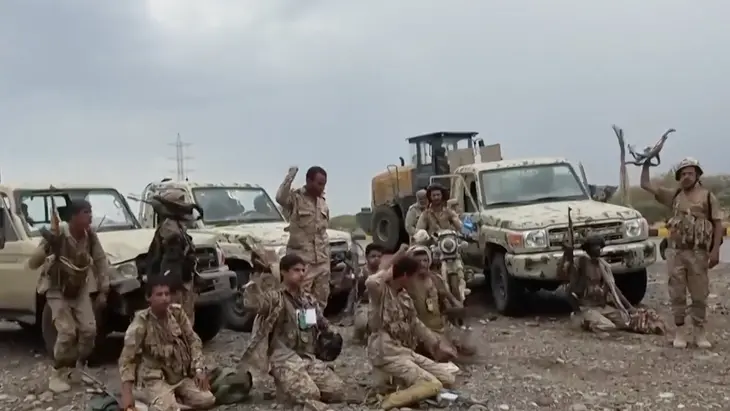
Fighting has intensified in Yemen as Houthi forces advance towards areas controlled by the internationally recognised, Saudi-backed government, including the strategically important province of Marib and the city of Taiz, according to reports from the country.
The latest developments have heightened concerns over a renewed escalation in Yemen’s prolonged conflict, which has pitted the Iran-aligned Houthi movement against government forces and allied groups for more than a decade.
Marib, located east of Sanaa, is particularly significant because of its oil and gas resources and its strategic location. The province has remained one of the most important strongholds of government-aligned forces and has repeatedly been at the centre of military confrontations between the Houthis and their opponents.
The Houthis have also increased pressure around Taiz, a major city in southwestern Yemen that has long been divided between competing forces. Control of Taiz is strategically important because of its location linking several parts of the country and its proximity to key roads and commercial routes.
The fighting comes amid continued instability across Yemen, where a fragile political and military balance has persisted despite years of international efforts to broker a lasting peace agreement.
The Houthi movement seized control of Sanaa in 2014 and subsequently expanded its territorial influence across large parts of northern and western Yemen. A Saudi-led military coalition intervened in 2015 in support of the internationally recognised government, turning the conflict into a broader regional confrontation.
Although the intensity of the war has fluctuated over the years, tensions have remained high and sporadic clashes have continued between Houthi forces and government-aligned fighters.
The latest Houthi advances could further complicate efforts to revive a nationwide political settlement. Any significant shift in control around Marib or Taiz could also have wider implications for Yemen’s economy, humanitarian situation and regional security.
Marib has particular economic importance because its energy infrastructure has historically supplied a significant portion of Yemen’s domestic oil and gas needs. The area also hosts large numbers of people displaced by the conflict, making any renewed fighting there a major humanitarian concern.
Taiz, meanwhile, has suffered years of fighting, shortages and restrictions on movement. Renewed clashes around the city could further disrupt civilian life and access to essential services.
The escalation also comes against the backdrop of wider tensions involving the Houthis and regional powers. The group has previously launched attacks on shipping in the Red Sea and surrounding waterways, linking its actions to the war in Gaza. Those attacks have affected one of the world’s most important maritime trade routes and triggered international military responses.
For Yemen, however, the renewed fighting threatens to deepen an already severe humanitarian crisis. Millions of Yemenis remain dependent on humanitarian assistance, while years of conflict have damaged infrastructure and weakened the country’s economy and public services.
The latest developments are therefore being closely watched by regional governments and international organisations, with fears that further territorial advances could trigger a broader military confrontation.
As Houthi forces press towards government-held areas, the immediate focus remains on the situation around Marib and Taiz, where further military gains or counteroffensives could significantly alter the balance of power on the ground.
Reporting from Sanaa, Al Jazeera’s Yousef Mawry said the intensifying fighting reflects the renewed pressure being placed on government strongholds as the Houthis seek to expand their territorial influence. (Inputs From Al Jazeera)