
Agencies | London:
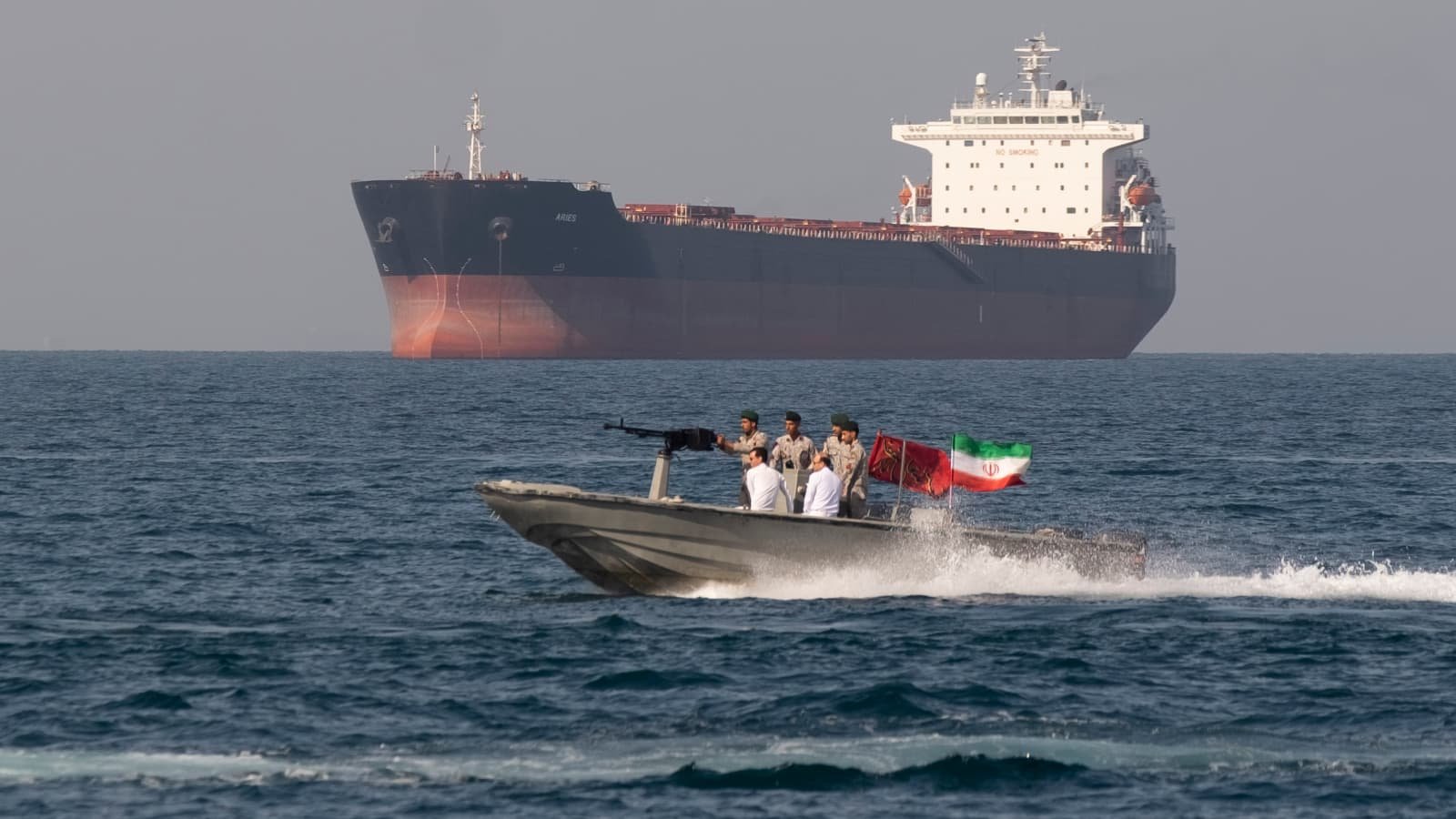
The continued disruption of shipping through the Strait of Hormuz has significantly impacted global oil markets, with commercial transit through the strategic waterway falling to just 2 per cent of its pre-crisis volume, according to industry estimates.
The strait, which normally handles around 20 million barrels of oil per day—nearly one-fifth of global seaborne oil trade—has seen approximately 12 million barrels per day removed from the market following the closure. The loss is equivalent to the daily cargo capacity of about six supertankers.
The crisis has also driven a sharp increase in shipping costs. War-risk insurance premiums for tankers have surged to eight times pre-crisis levels, while six major Protection and Indemnity (P&I) clubs have reportedly withdrawn insurance cover for vessels operating in the area.
As shipping companies seek alternative routes, traffic has increasingly shifted to a narrow coastal passage along Oman. However, the route presents significant challenges, narrowing to as little as 800 metres at certain points and raising concerns over navigational safety for large vessels.
“It is a very narrow waterway and there is not much room for manoeuvre, so we are worried about the navigational implications of ships using it,” said John Stawpert, Marine Director at the International Chamber of Shipping.
The rise in so-called “dark transits” — vessels operating with limited public tracking visibility — has coincided with efforts by the United States to assist commercial shipping through the region. According to sources familiar with the operation, the US established an air-cover system approximately two weeks ago to support maritime navigation.
US Energy Secretary Chris Wright said on Tuesday that traffic through the waterway had been “meaningfully” increasing, contributing to a roughly 3 per cent decline in oil prices.
Major Gulf oil producers, including Iraq, Kuwait and the United Arab Emirates, have increasingly relied on vessels under their control to transport crude outside the Strait of Hormuz, avoiding the steep costs associated with the limited number of commercial ships willing to enter the high-risk zone.
Energy consultancy Energy Aspects estimates that Iraq, Kuwait and the UAE are collectively moving around 3 million barrels of crude per day through alternative channels. The firm noted that inventories at Kuwait’s Mina al-Ahmadi terminal declined by nearly 8 million barrels at the end of May, indicating a sharp increase in export activity.
Meanwhile, the Abu Dhabi National Oil Company (ADNOC) sold at least 14 million barrels of crude through a recent tender, with cargo loadings scheduled to begin this month.
Amrita Sen, founder of Energy Aspects, said the increase in dark transits could help global refineries maintain production levels and ease potential supply shortages during the peak summer demand season.
Dan Smoot, Chief Executive Officer of Vantor, a satellite-based maritime tracking company, said there remains a “tremendous amount” of shipping activity through the region that is largely unnoticed by the public.
Despite signs of recovery, industry executives have cautioned against assuming a rapid return to normal operations. Traffic levels remain significantly below the approximately 135 ships per day recorded before the crisis began. In addition, disruptions to AIS transponder signals continue to hamper accurate vessel tracking, making it difficult to assess the full scale of maritime activity in the region.
Shipping analysts expect traffic figures to fluctuate further as vessels emerge from high-risk zones and resume normal tracking transmissions.