
Agencies | Washington:
The escalating tensions between the United States and Iran have once again drawn global attention to some of the world’s most strategic maritime trade routes. While the Strait of Hormuz has remained at the centre of the crisis, concerns are now extending to the Bab el-Mandeb Strait, another critical shipping corridor linking the Red Sea with the Gulf of Aden.
According to reports, Tehran has asked Yemen’s Houthi movement to prepare to shut the Bab el-Mandeb Strait if the United States targets Iranian power infrastructure. The development comes amid heightened tensions in the Strait of Hormuz, raising fears of disruptions across two of the world’s most vital energy and trade corridors.
Every day, millions of barrels of crude oil, liquefied natural gas (LNG), food products, electronics and manufactured goods move through these narrow waterways. Any disruption caused by conflict, piracy, political disputes or accidents can significantly increase shipping costs, delay global supply chains and impact economies worldwide.
Strait of Hormuz: The World’s Most Critical Oil Corridor
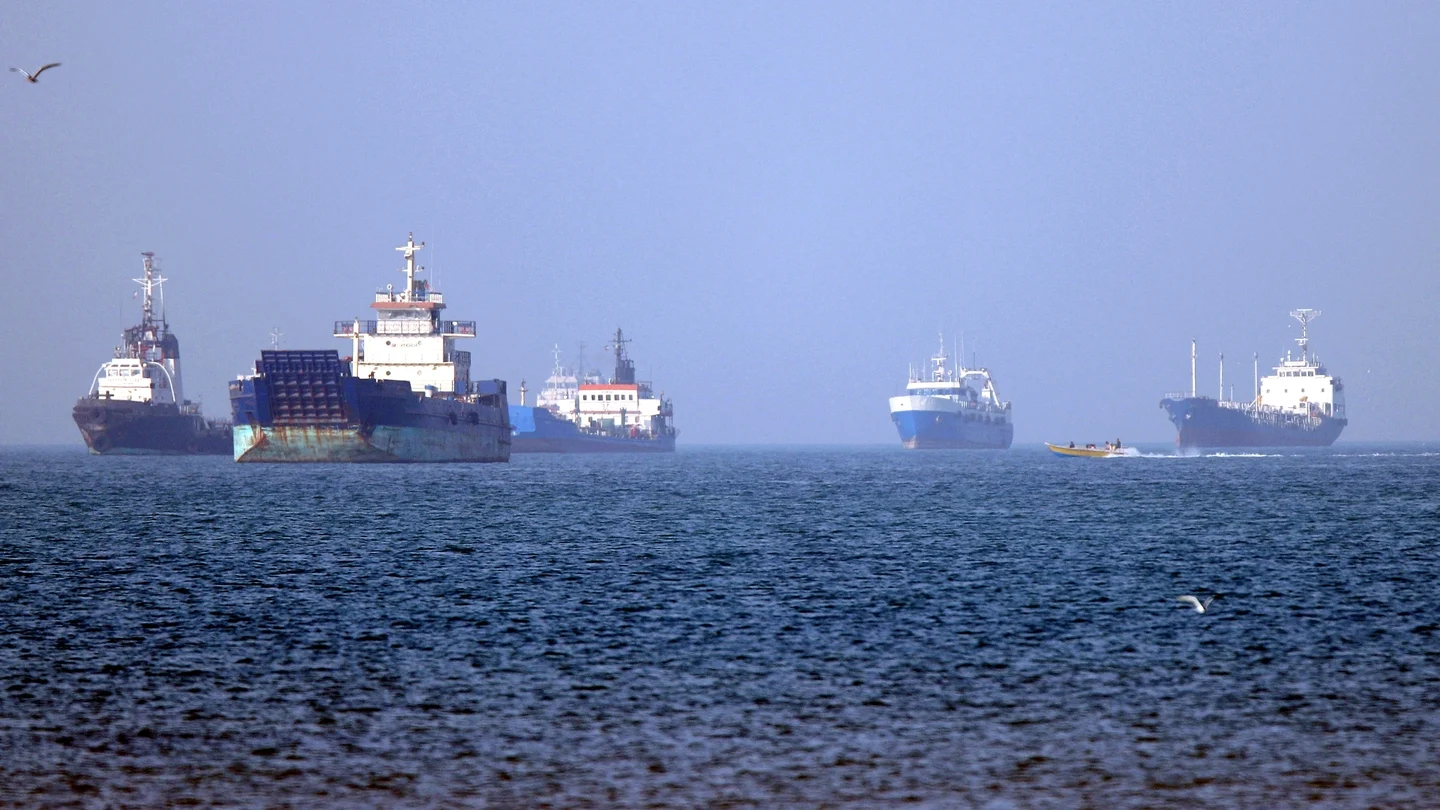
Located between Iran and Oman, the Strait of Hormuz connects the Persian Gulf with the Gulf of Oman and remains the world’s busiest maritime route for oil exports.
Major energy producers—including Saudi Arabia, Iraq, the United Arab Emirates, Kuwait, Qatar and Iran—depend on the passage to transport crude oil, LNG and petroleum products to global markets.
With the ongoing US-Iran confrontation, the strait remains vulnerable to naval clashes, missile attacks and the threat of sea mines, making it one of the world’s most closely monitored maritime chokepoints.
Bab el-Mandeb: Gateway to the Red Sea
Situated between Yemen, Djibouti and Eritrea, the Bab el-Mandeb Strait connects the Red Sea with the Gulf of Aden and serves as the southern gateway to the Suez Canal, carrying trade between Europe and Asia.
The route has come under increasing pressure due to Houthi attacks on commercial shipping, including drone and missile strikes. Any prolonged closure would force vessels to divert around the Cape of Good Hope in southern Africa, adding thousands of kilometres to shipping routes and sharply increasing freight costs and transit times.
Other Global Maritime Chokepoints
Beyond the Middle East, several other waterways are indispensable to global commerce.
The Suez Canal in Egypt is among the world’s busiest trade corridors, handling container traffic, automobiles, oil, chemicals and consumer goods. Its strategic importance was underscored in 2021 when the grounding of the Ever Given container ship halted global shipping for several days.
The Strait of Malacca, located between Indonesia, Malaysia and Singapore, is one of Asia’s busiest shipping lanes. It is a critical route for trade involving China, Japan, South Korea and India, carrying oil, LNG, semiconductors, electronics and manufactured goods. Any regional conflict, particularly involving China, could severely disrupt international trade.
The Panama Canal, connecting the Atlantic and Pacific Oceans, remains essential for trade involving the United States, Latin America and global container shipping, although recurring droughts and water shortages have affected its operational capacity.
The Bosporus Strait in Türkiye links the Black Sea with the Mediterranean and is strategically important for grain exports, energy supplies and military movement, particularly in the context of the Russia-Ukraine conflict.
The Taiwan Strait remains one of the world’s most sensitive geopolitical flashpoints. It plays a vital role in global semiconductor supply chains and maritime trade involving China, Taiwan, Japan and South Korea. Any conflict in the region could severely disrupt electronics manufacturing and global supply chains.
Why India Has a Stake
India depends heavily on these maritime corridors for imports of crude oil, LNG, fertilisers, electronics and a wide range of consumer goods. Any disruption could translate into higher fuel prices, increased freight charges, inflationary pressures and delays in international trade.
India is particularly exposed to instability in the Bab el-Mandeb Strait because the Red Sea-Suez Canal corridor serves as a major route for its trade with Europe, North Africa and the Mediterranean region. If disruptions occur simultaneously in both the Strait of Hormuz and Bab el-Mandeb, Indian shipping would be forced to reroute around the Cape of Good Hope, significantly increasing transportation costs and delivery times.
A prolonged disruption could result in higher insurance and freight costs, delayed imports of energy and essential commodities, inflationary pressure on the domestic economy, and reduced competitiveness of Indian exports due to longer and more expensive shipping routes.
A Growing Global Concern
The world’s major maritime chokepoints remain vulnerable to geopolitical conflicts, piracy, terrorism, naval blockades, political disputes, shipping accidents and climate-related disruptions such as droughts affecting major canals.
Although the Strait of Hormuz often dominates headlines during periods of geopolitical tension, it is only one component of a larger network that underpins global commerce. With growing instability around the Bab el-Mandeb Strait, concerns are expanding beyond energy security to the broader resilience of global supply chains.
For India, the stakes extend well beyond oil imports. Any sustained disruption in these critical sea lanes could have far-reaching consequences for trade, logistics, inflation and overall economic stability.