
Examiner News Desk | Srinagar:
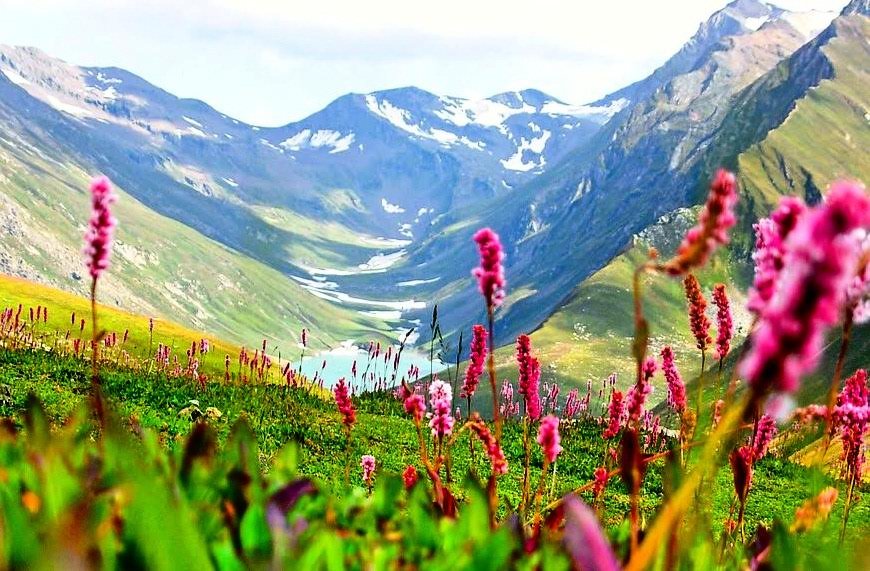
From snow-covered mountains in winter to blooming tulip gardens in spring, cool summers by alpine lakes and vibrant autumn landscapes, Kashmir is steadily cementing its place as one of India’s most sought-after holiday destinations.
Often described as “Paradise on Earth,” the Valley has witnessed a remarkable rise in tourist arrivals over the past few years, with families, honeymooners, adventure enthusiasts and solo travellers increasingly choosing Kashmir over traditional domestic and international holiday destinations.
Industry stakeholders attribute the growing popularity to improved connectivity, better road infrastructure, expanded air services, and the rapid growth of hotels, homestays and adventure tourism. The development of new tourist destinations beyond the traditional circuit of Srinagar, Gulmarg, Pahalgam and Sonamarg has also helped spread tourist footfall across the region.
“Kashmir is no longer viewed as only a seasonal destination,” said a Srinagar-based tour operator. “Visitors now come throughout the year. Every season offers a different experience, whether it is skiing in Gulmarg, the tulip bloom in spring, trekking during summer or the golden Chinar trees in autumn.”
The region’s natural beauty remains its biggest attraction. Dal Lake, with its iconic houseboats and shikaras, continues to be a favourite among visitors, while destinations such as Betaab Valley, Aru, Doodhpathri, Gurez, Bangus and Yusmarg are gaining popularity among travellers seeking quieter experiences away from crowded tourist hubs.
Adventure tourism has also emerged as a major draw. Activities such as skiing, snowboarding, trekking, river rafting, camping, mountain biking and gondola rides have broadened Kashmir’s appeal, particularly among young travellers looking for experiential holidays.
The hospitality sector has responded to the surge in demand by expanding accommodation options across different budgets. Luxury resorts, boutique hotels, guesthouses and homestays are increasingly catering to a diverse mix of domestic and international tourists. Local entrepreneurs have also benefited from the tourism boom, with handicrafts, traditional cuisine, transport services and guided tours generating employment and supporting livelihoods.
The government’s focus on tourism promotion, destination development and infrastructure upgrades has further strengthened Kashmir’s position on the country’s travel map. Improved highways, enhanced air connectivity and the organisation of cultural festivals and sporting events have contributed to increasing visitor confidence and extending the tourist season.
Social media has played a significant role in reshaping Kashmir’s image. Stunning visuals shared by travel bloggers, influencers and tourists have inspired many first-time visitors, while positive travel experiences have encouraged repeat travel and word-of-mouth recommendations.
However, experts believe sustaining the momentum will require responsible tourism practices. Environmental conservation, better waste management, protection of fragile ecosystems and balanced infrastructure development will be crucial to preserving Kashmir’s natural charm. Tourism stakeholders also emphasise the need to promote lesser-known destinations to reduce pressure on popular sites and ensure that economic benefits reach more communities.
As the Valley continues to welcome visitors from across India and abroad, Kashmir is evolving beyond its postcard image into a year-round destination offering nature, adventure, culture and hospitality. If current trends continue and sustainable tourism remains a priority, the region is well-positioned to strengthen its status as one of India’s premier holiday destinations.