Agencies | New Delhi:
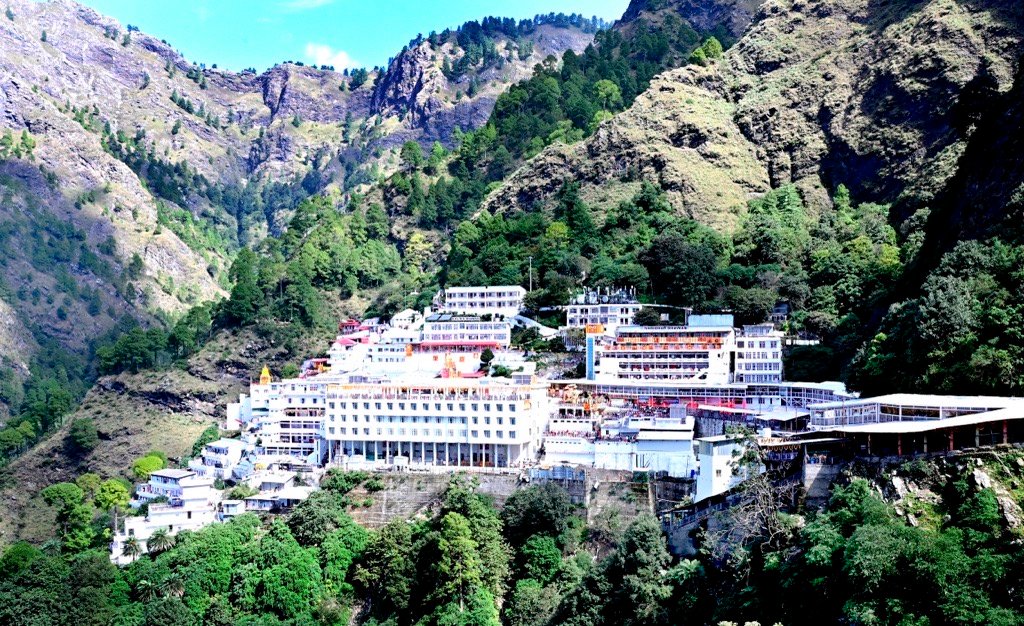
One of India’s wealthiest and most visited religious institutions, the Shri Mata Vaishno Devi Shrine, has come under scrutiny following allegations that nearly Rs 500 crore worth of silver offerings made by devotees over several years was either unaccounted for or found to contain only a small percentage of actual silver.
The controversy, now under judicial examination, has prompted the Shri Mata Vaishno Devi Shrine Board (SMVDSB) to undertake a comprehensive review of its system for managing offerings and donations, while raising broader concerns about transparency, accountability and quality control in the handling of offerings at major religious institutions.
How the Issue Came to Light
The matter surfaced after reports indicated that the Shrine Board sent around 20 tonnes of accumulated silver offerings, collected over five to six years, to the India Government Mint for testing, melting and refining. According to reports, assay tests revealed that the consignment contained only about 5-6 per cent pure silver, with the remaining material comprising cadmium, iron and other low-value metals.
Had the entire consignment been genuine silver, its market value would have been estimated at around Rs 550 crore. However, the recoverable value was reportedly only a fraction of that amount. One estimate cited by The Times of India stated that nearly 70 kilograms of offerings yielded only about 3 kilograms of recoverable silver after refining.
Devotees’ Offerings Under Scanner
Pilgrims visiting the shrine traditionally offer silver chhatars (canopies), coins, ornaments and other silver articles as a mark of devotion. These offerings are collected under strict security, stored and periodically sent for refining in accordance with Shrine Board procedures.
The reported findings have raised questions over whether impure or counterfeit silver articles were being sold to devotees before being offered at the shrine, or whether genuine offerings were substituted, diluted or misappropriated after being received by the Board.
The presence of cadmium—a highly toxic metal classified as a carcinogen—has also triggered concerns about the health and safety of workers involved in handling and processing the offerings.
Complaint and Court Proceedings
On May 9, 2026, advocate Deepak Sharma filed a complaint before the Jammu and Kashmir Police Crime Branch, alleging offences including criminal conspiracy, cheating, criminal breach of trust, misappropriation of property, manipulation of records and the possible use of cadmium-laced material in offerings.
The complainant sought an investigation into the entire supply chain, including vendors and jewellers selling silver articles as well as the Shrine Board’s handling and storage of the offerings.
Subsequently, a Jammu court directed an Inquiry Officer of the Crime Branch to appear with all records relating to the alleged Rs 500-crore discrepancy and the “fake silver” issue. The matter is scheduled for further hearing on July 29, 2026.
Shrine Board Orders Review
Amid the controversy, the Shrine Board, chaired by Jammu and Kashmir Lieutenant Governor Manoj Sinha, convened a high-level review meeting to examine the existing system for managing offerings and donations.
According to officials, the Board reviewed procedures relating to verification of offerings, surveillance mechanisms, banking safeguards, transportation protocols and periodic audits. Officials maintained that all financial transactions involving offerings are conducted in accordance with statutory provisions, Government of India guidelines and prescribed banking norms.
The Board also stated that transportation, refining and processing of precious metals are undertaken through government-approved institutions, including the Reserve Bank of India and the India Government Mint, Hyderabad, under established security protocols.
The review, officials said, was aimed at ensuring complete transparency, accountability and strict adherence to Standard Operating Procedures in the management of donations received at the shrine.
Larger Questions
Beyond the financial implications, the controversy has raised important questions about the integrity of the donation management system at one of India’s busiest pilgrimage centres. It has also highlighted concerns over vendor accountability, quality certification of religious offerings and safeguards against adulteration or substitution of precious metals.
As the judicial process continues and the Shrine Board strengthens its internal oversight mechanisms, the investigation is expected to determine whether the alleged discrepancy originated with external suppliers selling impure silver, irregularities during the handling and storage of offerings, or a combination of both.