
Agencies | Srinagar: Amid ongoing tensions in West Asia, Iran has laid out a stringent set of conditions for re-entering ceasefire negotiations with the United States, significantly raising the stakes for diplomacy.
According to a report by The Wall Street Journal, Tehran has demanded the closure of all US military bases in the Gulf as a key precondition for talks. The report, citing sources familiar with the discussions, noted that Iran’s negotiating stance is being strongly influenced by the Islamic Revolutionary Guard Corps (IRGC), which has gained greater control in the country’s strategic decision-making following weeks of conflict.
In addition to the withdrawal of US forces, Iran is seeking financial reparations for damages caused by US and Israeli strikes, along with a broader set of strategic and economic demands. These include lifting all sanctions, halting Israeli operations against Iran-aligned groups, and allowing Tehran to retain its missile programme without restrictions.
One of the most significant proposals involves restructuring control over the Strait of Hormuz, a critical global oil transit route. Iran has suggested a framework that would allow it to collect transit fees from vessels passing through the waterway—similar to Egypt’s model for the Suez Canal.
US officials have described these demands as “unrealistic,” highlighting the wide gap between the two sides. Early diplomatic efforts are currently being conducted through intermediaries in the region rather than through direct engagement.
Despite the hardened positions, US President Donald Trump has signalled openness to negotiations, stating that discussions are underway and that a peace proposal has been shared with Tehran. He reiterated that preventing Iran from acquiring nuclear weapons remains Washington’s primary objective.
The proposed US framework reportedly includes dismantling Iran’s nuclear programme, halting uranium enrichment, granting full access to international inspectors, and limiting missile capabilities, alongside ending support for regional proxy groups.
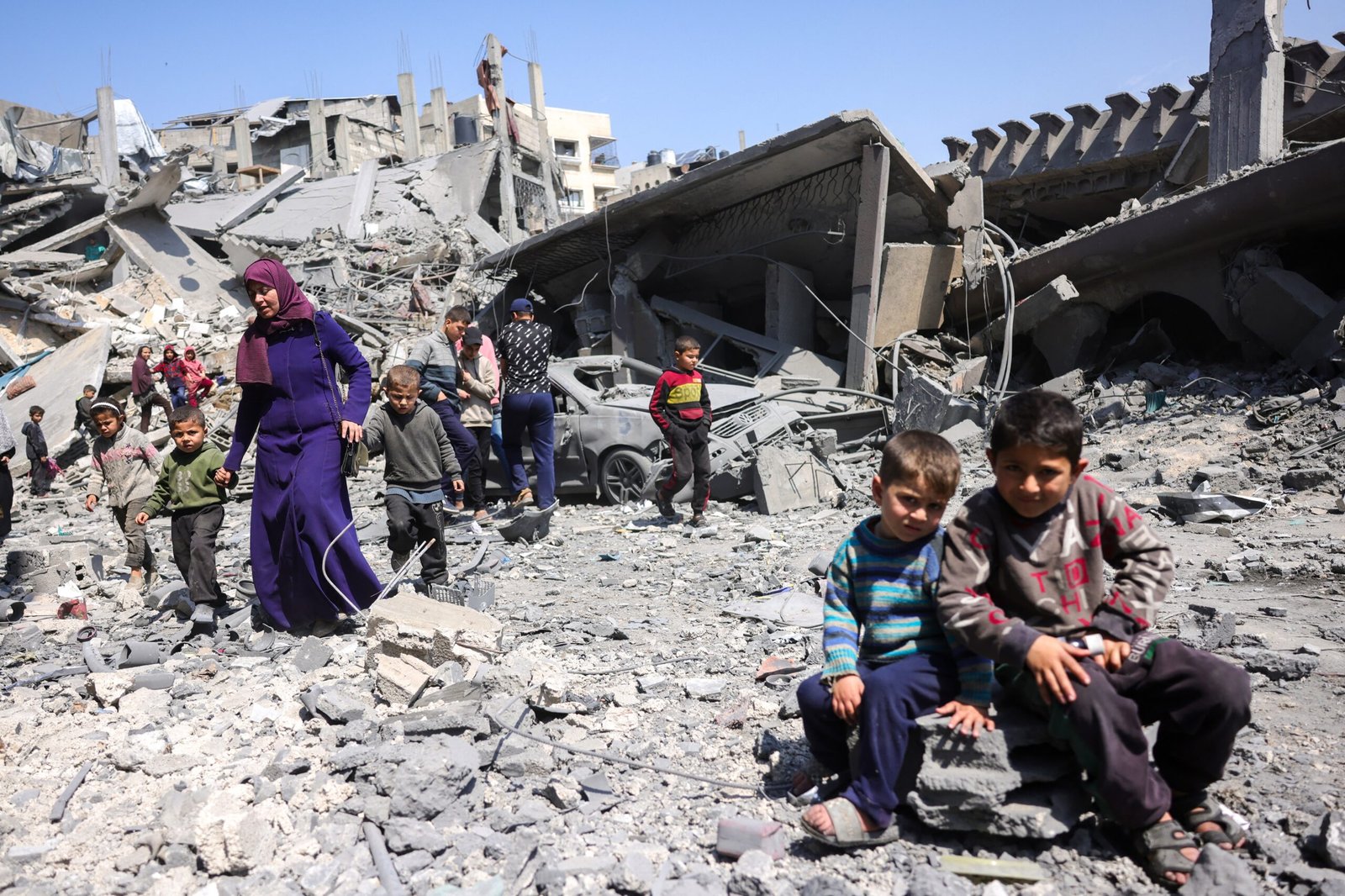
While diplomatic channels remain active, military activity continues across the region. Recent reports indicate ongoing missile strikes and air operations, underscoring the fragile and volatile nature of the situation.
Analysts believe that with both sides holding firm to their core demands, the path to de-escalation remains uncertain, even as global powers push for dialogue to prevent a wider regional crisis.