
Agencies | Tashkent:
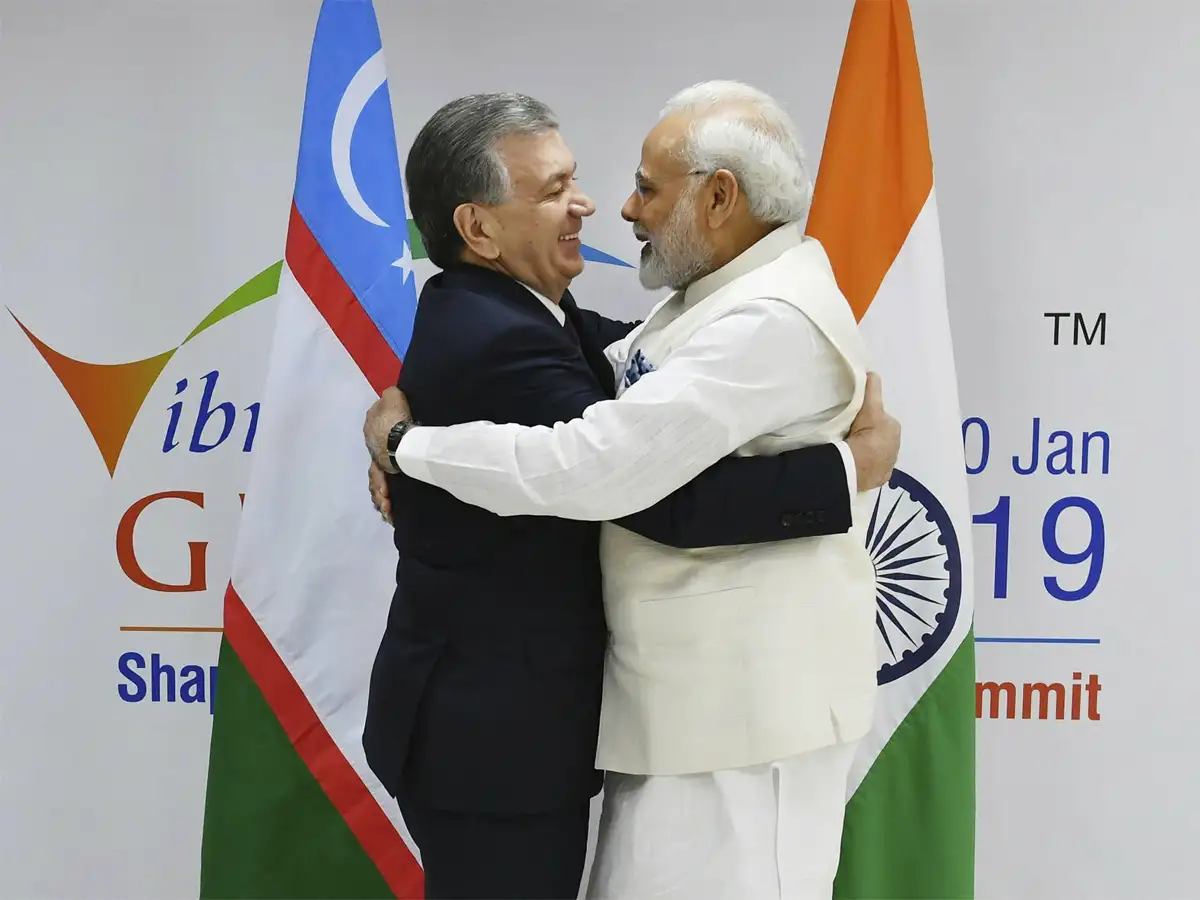
India and Uzbekistan on Sunday upgraded their bilateral relationship to a Comprehensive Strategic Partnership and agreed to establish a long-term arrangement for uranium supplies to India, adding a significant nuclear-energy dimension to Prime Minister Narendra Modi’s two-day state visit to Uzbekistan.
The uranium agreement was announced after Modi held delegation-level talks with Uzbek President Shavkat Mirziyoyev in Tashkent. The two leaders discussed expanding cooperation across key sectors, including trade and investment, digital connectivity, defence and energy.
“We will also establish a long-term arrangement for the supply of uranium,” Modi said during the talks.
The agreement assumes importance as India seeks to secure reliable, long-term nuclear fuel supplies while pursuing an ambitious expansion of its nuclear power capacity. Nuclear energy is expected to play a growing role in India’s efforts to meet rising electricity demand while reducing the carbon intensity of its energy mix.
Access to dependable uranium supplies is strategically important for India as it seeks to expand nuclear generation and diversify its sources of nuclear fuel.
New Delhi has been strengthening long-term partnerships with uranium-producing countries to ensure stable supplies for its nuclear power programme. Uzbekistan, meanwhile, is an important uranium producer and has been developing its uranium industry with an emphasis on increasing value addition.
The two countries had earlier signed a long-term contract in 2019 for the supply of uranium ore concentrate to India. The latest understanding is expected to provide a broader and more durable framework for nuclear-fuel cooperation.
The development also reflects the growing importance of energy security in India-Uzbekistan relations, alongside traditional areas of economic and diplomatic engagement.
The decision to elevate ties to a Comprehensive Strategic Partnership marks a significant expansion of the relationship and signals a greater focus on strategic, economic, technological and energy cooperation.
The upgrade came during Modi’s fourth visit to Uzbekistan and underscores New Delhi’s growing engagement with Central Asia.
During the talks, Modi and Mirziyoyev reviewed opportunities to strengthen bilateral trade and investment and discussed cooperation in digital technology, defence, energy and other areas of mutual interest.
The two sides also explored ways to align Uzbekistan’s Yangi Uzbekistan development priorities with India’s Viksit Bharat vision.
India and Uzbekistan also agreed to establish three sister-city and sister-state arrangements, aimed at strengthening cooperation between local governments, institutions and communities.
“We should create a roadmap to fully realise their potential,” Modi said.
The Prime Minister highlighted the potential for collaboration in urban development, technology and infrastructure, pointing to Uzbekistan’s New Tashkent project and India’s GIFT City in Gujarat as examples of ambitious modern development initiatives.
“Mega-projects like ‘New Tashkent’ are underway in your country, while in India, we have developed GIFT City in Gujarat,” Modi said.
He said India would be pleased to host an Uzbek delegation to study the experience of GIFT City, including the use of technology and best practices in its development.
The agreements reached during the visit indicate an effort by both countries to broaden their relationship beyond traditional diplomatic and economic cooperation.
For India, stronger engagement with Uzbekistan also forms part of its wider strategy of deepening ties with Central Asian nations. Uzbekistan, with its strategic location and growing economy, remains an important partner in areas ranging from connectivity and trade to energy, technology and security.
The elevation of bilateral ties, combined with the proposed long-term uranium arrangement, is therefore expected to give fresh momentum to India-Uzbekistan cooperation and create a framework for deeper engagement across multiple strategic sectors.