
By | Syed Salman:
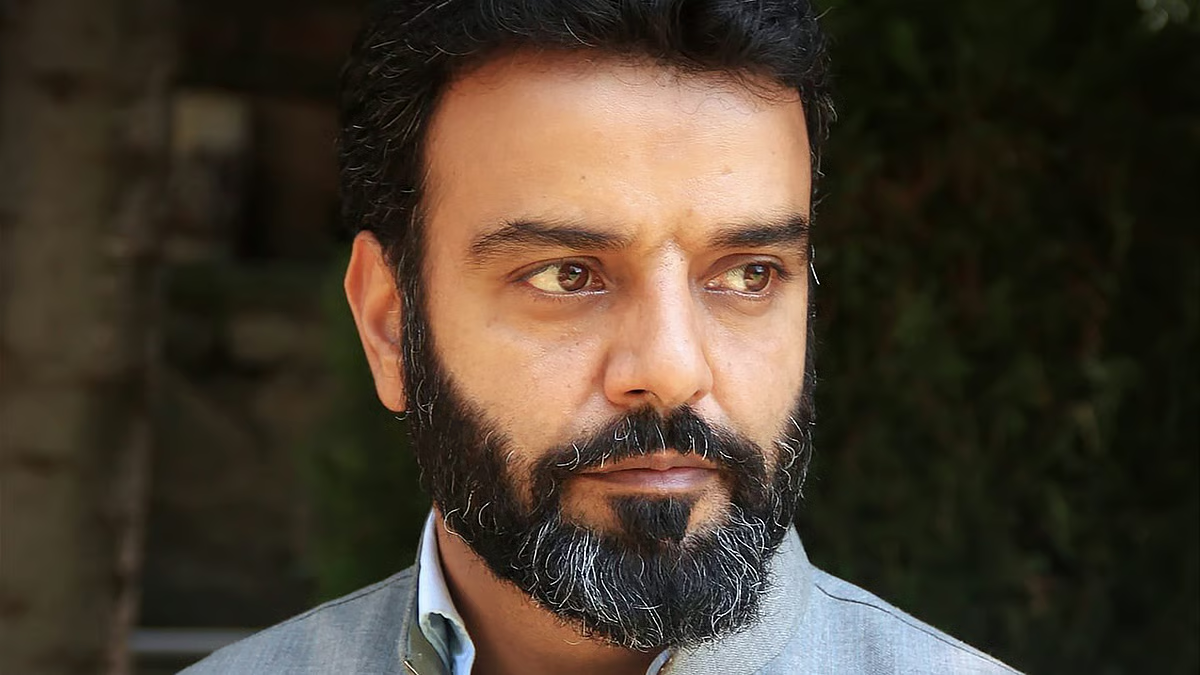
November 3 holds deep personal significance for Srinagar MP Aga Syed Ruhullah Mehdi. As he prepares to mark the 26th death anniversary of his father, Aga Syed Mehdi, the day may also mark a defining moment in his political journey, as his announced decision to part ways with the National Conference raises questions about the shape of his future politics.
For Aga Syed Ruhullah Mehdi, November 3 is not an ordinary date on the political calendar. It is the anniversary of the killing of his father, Aga Syed Mehdi, whose death left a lasting imprint on his personal life and political journey. This year, however, the occasion carries an additional dimension. It comes at a time when the Srinagar Member of Parliament is preparing to make a significant political decision that could reshape his relationship with Jammu and Kashmir’s political establishment.
Ruhullah has announced his intention to resign from the National Conference as well as his Lok Sabha membership on the 26th death anniversary of his father. The choice of date gives the proposed departure a deeply personal and symbolic significance. It links a moment of remembrance with what could become the beginning of a new phase in his public life.
His political differences with the National Conference leadership have been building for some time. At the centre of the disagreement are questions concerning the party’s electoral commitments, the restoration of Article 370, Jammu and Kashmir’s constitutional position, reservation policy and the broader political aspirations of the people. Ruhullah has accused the party leadership of moving away from promises made during the election campaign, while the leadership has its own political and administrative considerations.
Whatever the competing explanations, the dispute has brought into focus a larger question: how should political parties remain accountable to the commitments on which they seek public support?
Ruhullah’s possible departure is therefore not merely an internal matter for the National Conference. It raises questions about the relationship between political leadership, electoral mandates and public expectations in a region where constitutional rights and political representation remain central to public debate.
The immediate question is whether Ruhullah will establish a new political party after leaving the National Conference. Speculation about a new organisation has gained momentum, particularly after his remarks about reaching out to people who share his political convictions. However, he has not formally announced the launch of a new party. In recent interviews, he has indicated that he intends to consult people and identify individuals who share his political objectives before deciding on the way forward.
That distinction matters. Forming a political party is considerably different from expressing dissatisfaction with an existing organisation. It requires an identifiable political programme, an organisational structure, credible leadership, a network of workers and, above all, a clear understanding of the concerns of people across Jammu and Kashmir.
If Ruhullah chooses this route, his challenge will be to transform personal political conviction into a collective political initiative. A new organisation cannot survive on the popularity of one individual alone. It must create space for different regions, communities, generations and political viewpoints, while presenting a coherent position on the issues confronting Jammu and Kashmir.
It would also need to explain how it intends to pursue its stated objectives through democratic and constitutional means. Public confidence will depend not only on what it opposes but also on what it proposes.
Jammu and Kashmir has witnessed the emergence of several political formations over the decades. Their experiences underline the difficulties of building a durable organisation in a politically complex region. Public support, particularly at moments of political dissatisfaction, does not automatically translate into a sustainable political movement.
For Ruhullah, the coming phase may therefore require a broader conversation with people rather than an immediate announcement about a party structure. Young people, students, professionals, workers and communities across the regions of Jammu, Kashmir and Ladakh will expect clarity on the political direction he intends to pursue.
The questions before him are substantial: What would be the central agenda of a new platform? How would it address unemployment, development, education, political representation and constitutional concerns? How would it ensure that its decisions are shaped by public participation rather than concentrated leadership? And how would it maintain its political identity while engaging with the democratic institutions of the country?
These are questions that any emerging political formation must answer if it seeks to become more than a temporary expression of dissent.
The death anniversary of Aga Syed Mehdi is likely to be an emotional occasion for the family and those who remember his political life. For Ruhullah, it also appears to have become a point of reflection on his own political choices. The symbolism of the date may give the occasion added significance, but the lasting importance of November 3 will ultimately depend on the decisions announced and the political path that follows.
His departure, if carried out as announced, would mark a notable break with an organisation that played a central role in his entry into electoral politics. It would also place before him the task of defining an independent political identity and explaining how that identity can translate into a wider public initiative.
The people of Jammu and Kashmir will be watching not simply to see whether a new party is announced, but to understand what kind of politics it would represent. A change of political banner, by itself, does not address public concerns. What matters is whether a new beginning brings a clear programme, accountability, internal democracy and sustained engagement with people.
November 3 may thus become a moment of transition in Aga Ruhullah’s political life: a day of remembrance for his father and, potentially, the starting point of a different political journey. Whether that journey leads to a new political party or another form of public engagement remains to be seen. Its credibility will be measured not by the announcement alone, but by the ideas, organisation and public trust it is able to build.