
Agencies | Kolkata:
The high-voltage campaign for the second phase of the West Bengal Assembly elections concluded on Monday, marked by sharp political exchanges, final appeals to voters, and heightened security preparations ahead of polling on April 29.
The intense contest between the ruling Trinamool Congress (TMC) and the Bharatiya Janata Party (BJP) saw both sides trading allegations on issues ranging from corruption and governance to infiltration and development. What began as an ideological battle eventually escalated into a fierce war of words.
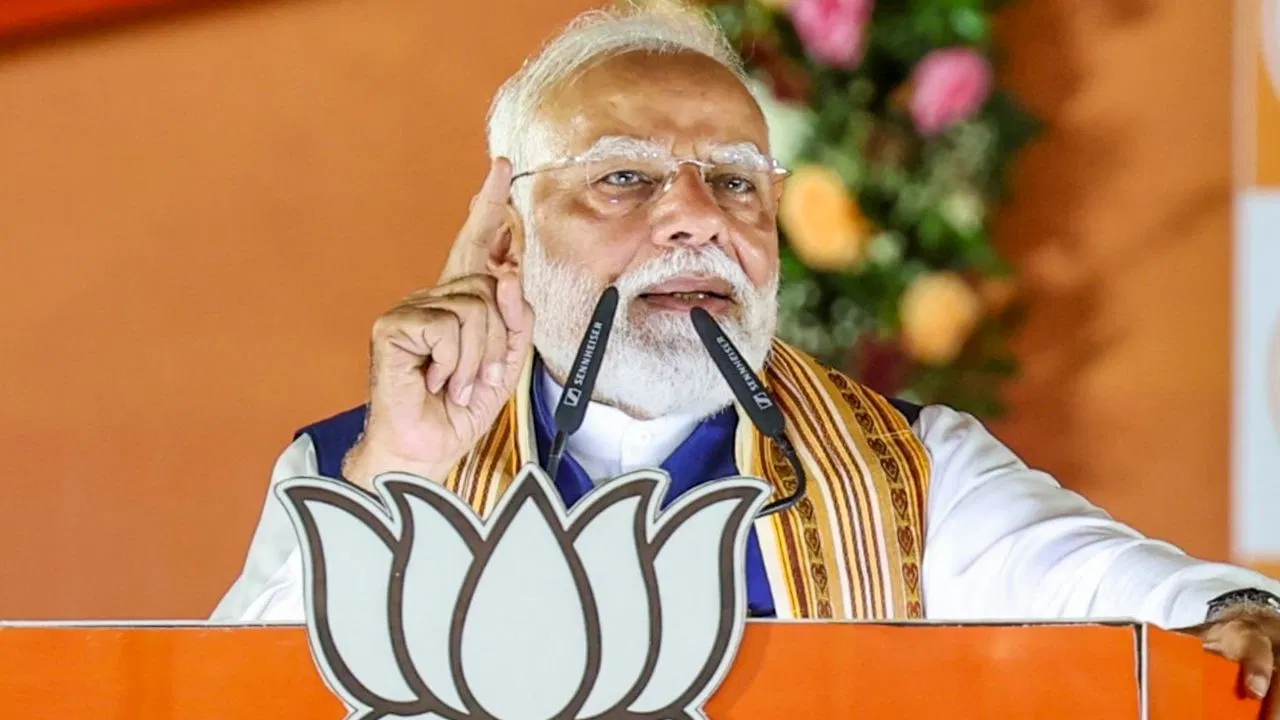
On the final day, Prime Minister Narendra Modi issued a public letter to the people of West Bengal, expressing confidence in political change and describing his campaign experience as a “unique energy” akin to a “pilgrimage.” He reiterated the BJP’s commitment to transforming the state and appealed to key communities, including the Matuas, assuring them of permanent residency rights under the Citizenship (Amendment) Act.
Union Home Minister Amit Shah echoed the vision of a “developed Bengal,” promising strong action against alleged infiltration, cattle smuggling, and corruption, along with welfare measures such as financial assistance for women and unemployed youth.
Chief Minister Mamata Banerjee, however, remained confident of retaining power, asserting that her party had already crossed the 100-seat mark after the first phase. Addressing rallies, she accused the BJP of promoting “divisive politics” and attempting to disrupt the state’s social fabric. She also raised concerns over alleged bias by the Election Commission-appointed administration.
A total of 3.21 crore voters are eligible to cast their ballots across 142 constituencies in the second phase. To ensure a smooth electoral process, over 41,000 polling stations have been set up, all equipped with webcasting facilities. Security has been significantly tightened, with 2,321 companies of central forces deployed across seven districts, alongside aerial surveillance through drones.
The run-up to polling witnessed incidents of violence, including an attack on TMC MP Mitali Bag in Hooghly and a firing incident in North 24 Parganas that left a CISF personnel injured. In another case, crude explosives were recovered from a polling booth in Habra, further escalating tensions between the rival parties.
In a bid to maintain order, the Calcutta High Court imposed restrictions on motorbike rallies, often linked to election-related disturbances, in the days leading up to polling.
Key constituencies to watch include Bhabanipur, where Mamata Banerjee faces BJP leader Suvendu Adhikari, and Kolkata Port, where senior TMC leader Firhad Hakim is contesting. Other significant seats include Bhatpara, Dumdum, Sandeshkhali, and Jadavpur.
With campaigning now over, attention shifts to polling day, while the results of the two-phase elections will be declared on May 4, determining the political future of the state.