
Agencies | Newyork:
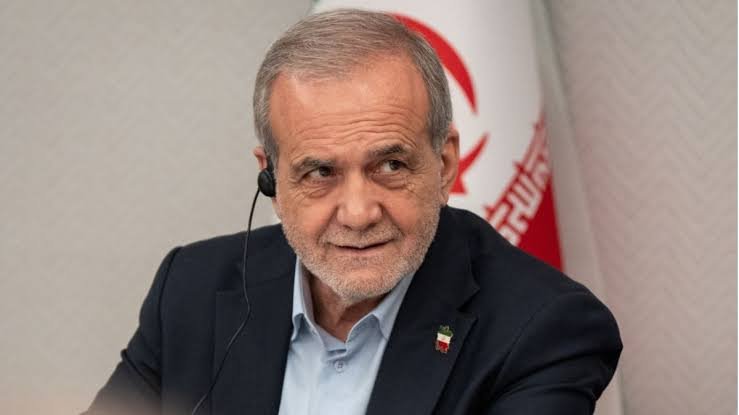
Iranian President Masoud Pezeshkian is set to travel to New York for the 81st session of the United Nations General Assembly, after the United States approved visas for him, Foreign Minister Abbas Araghchi and other members of Tehran’s core delegation.
The decision comes amid continuing military hostilities between Washington and Tehran, even as intermittent diplomatic efforts aimed at ending the conflict continue.
The UN General Assembly’s high-level week is scheduled for September 22–29, with the general debate running from September 22 to 26 and continuing on September 28.
Pezeshkian’s planned visit comes against the backdrop of the ongoing US-Iran conflict, which began with US and Israeli attacks on Iran on February 28, according to current reporting. The conflict has heightened concerns over regional security, energy supplies and shipping routes.
Washington and Tehran have continued intermittent contacts aimed at finding a way to end the hostilities. However, major issues remain unresolved, including tensions surrounding the Strait of Hormuz and Iran’s nuclear programme.
The visit could also provide an opportunity for diplomatic engagement, although no meeting between Pezeshkian and US President Donald Trump has been formally confirmed.
Iran’s nuclear programme is expected to remain a major issue surrounding the UN gathering. The conflict and continuing international sanctions have kept Tehran’s nuclear activities at the centre of tensions between Iran and Western governments.
Pezeshkian’s delegation will also face restrictions during its stay in New York. The United States has imposed limits on the delegation’s movement and restrictions on the purchase of luxury goods, while allowing the Iranian officials to attend the UN meetings under Washington’s obligations as host country.
With the Iranian president scheduled to address world leaders during a UN week marked by conflicts in the Middle East and Ukraine, his presence is expected to place Iran’s war, nuclear programme, relations with the United States and wider regional security prominently among the issues surrounding the General Assembly.