
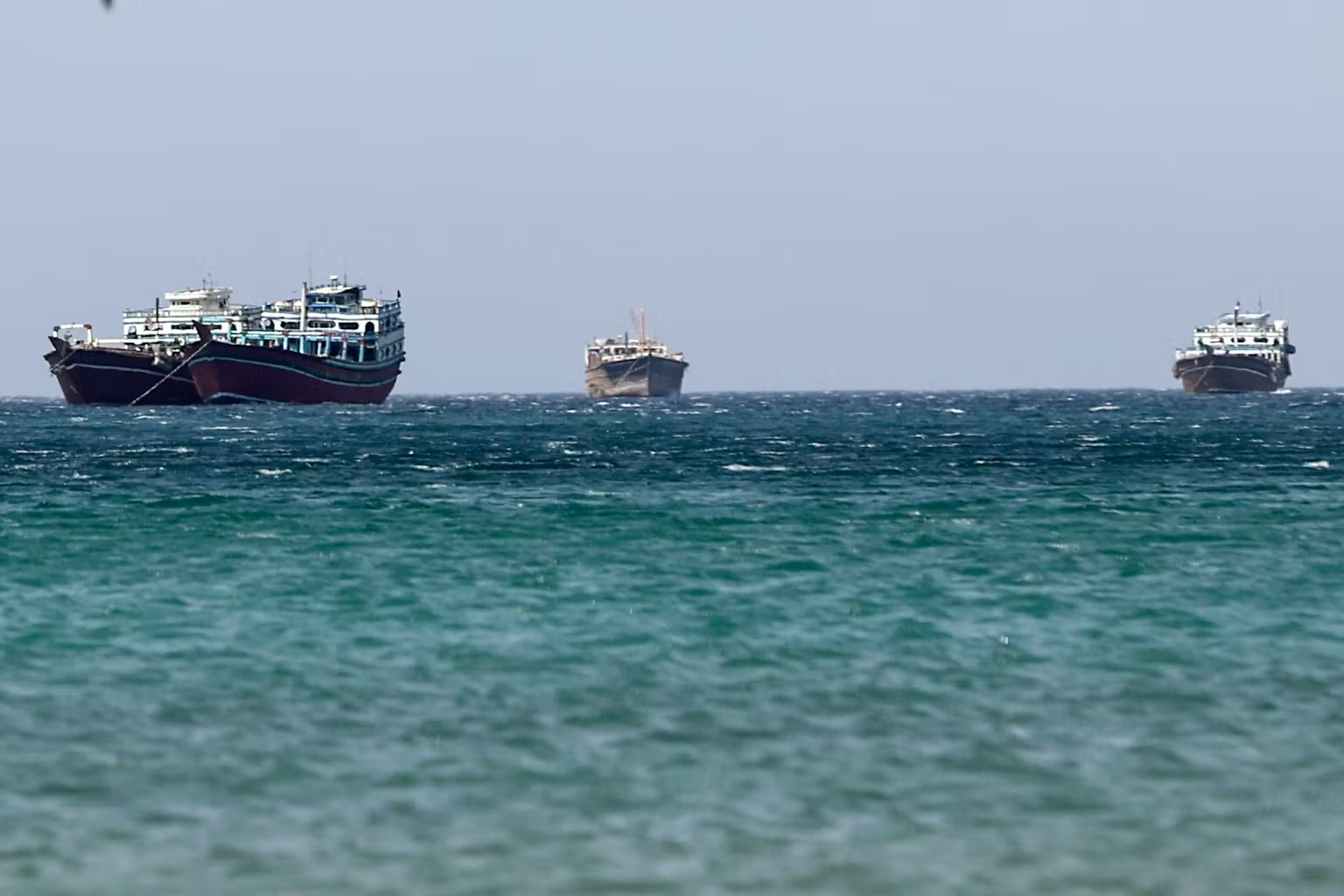
Agencies | Srinagar: The Strait of Hormuz—a vital maritime corridor between Iran and the Arabian Peninsula—has reopened after remaining effectively impassable for commercial shipping for 47 days due to heightened regional tensions.
The disruption, which began on February 28, significantly impacted global energy supply chains, forcing countries to seek alternative and costlier routes for oil and liquefied petroleum gas (LPG) imports. Iran’s announcement of reopening the waterway on Friday has brought much-needed relief to global markets.
Nearly 20 percent of the world’s oil supply, along with a substantial share of LPG, passes through this strategic route daily, making it one of the most critical arteries for global energy trade. Countries like India, which rely heavily on crude oil imports from Gulf nations including Saudi Arabia, United Arab Emirates, Iraq, and Qatar, were particularly affected.
During the closure, LPG shipments were delayed or rerouted, leading to increased transit times and higher freight and insurance costs. These additional expenses placed pressure on refiners and distributors, forcing them to operate with tighter inventories, although supply remained largely stable.
With the reopening of the Strait, shipping routes are expected to normalise, reducing transit times and easing insurance premiums. This is likely to bring down overall logistics costs and stabilise energy prices in the coming weeks.
For India, the development is especially significant, as it restores flexibility in sourcing energy imports from Gulf suppliers and could help ease pressure on domestic fuel prices.
The reopening of the Strait of Hormuz marks a crucial step towards stabilising global energy markets, although geopolitical uncertainties in the region continue to remain a key concern.