
Agencies | Dubai:
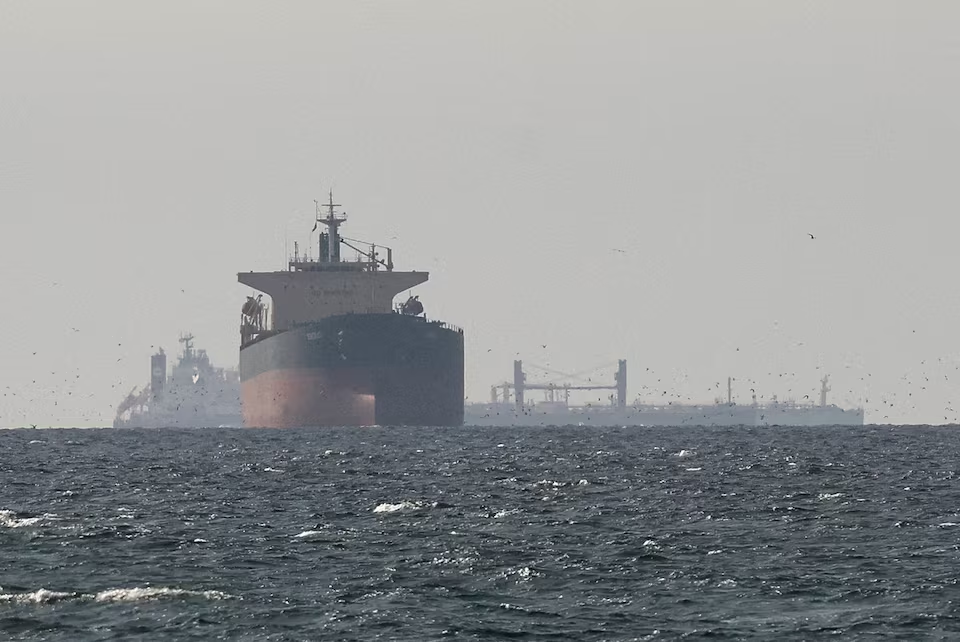
Several merchant vessels have reported gunfire incidents while attempting to transit the Strait of Hormuz, highlighting ongoing security risks despite claims that the critical maritime route remains open.
According to shipping and maritime sources, the incidents occurred as vessels navigated the narrow waterway, which has been at the centre of escalating tensions linked to the ongoing regional conflict. An American official has alleged that Iran’s Islamic Revolutionary Guard Corps (IRGC) has carried out at least three attacks on commercial ships since Saturday.
While it remains unclear who was responsible for the gunfire or whether any vessels were directly hit, the reports have triggered renewed concerns among global shipping companies and insurers. Many operators continue to exercise caution before resuming regular transit through the strait.
The developments come even as Iran has declared the waterway open for commercial shipping under a ceasefire framework. However, authorities have imposed strict transit conditions, including mandatory permissions and designated shipping routes, adding to operational complexities.
Compounding the situation, the United States continues to enforce a naval blockade targeting Iran, creating a highly volatile and uncertain security environment in the region.
Shipping traffic through the Strait of Hormuz has declined sharply in recent weeks. From over 130 vessels passing daily before the crisis, movement has significantly reduced, with hundreds of tankers reportedly stranded in the Gulf as operators weigh risks against rising costs and delays.
Handling nearly 20 per cent of the world’s oil supply, the Strait of Hormuz remains a critical artery for global energy trade. Even limited incidents, such as warning shots or nearby gunfire, can have far-reaching consequences by increasing insurance premiums, delaying shipments, and triggering volatility in global oil markets.
Analysts warn that the situation remains fragile. While diplomatic efforts and ceasefire arrangements have prevented a complete shutdown, the continued presence of armed forces, operational restrictions, and sporadic security incidents underscore that the route, though technically open, is far from secure.