
Agencies | Washington:
After weeks of heightened military tensions, threats to critical oil infrastructure, and fears of a broader conflict in the Gulf region, the United States and Iran appear to be exploring a diplomatic pathway to de-escalation.
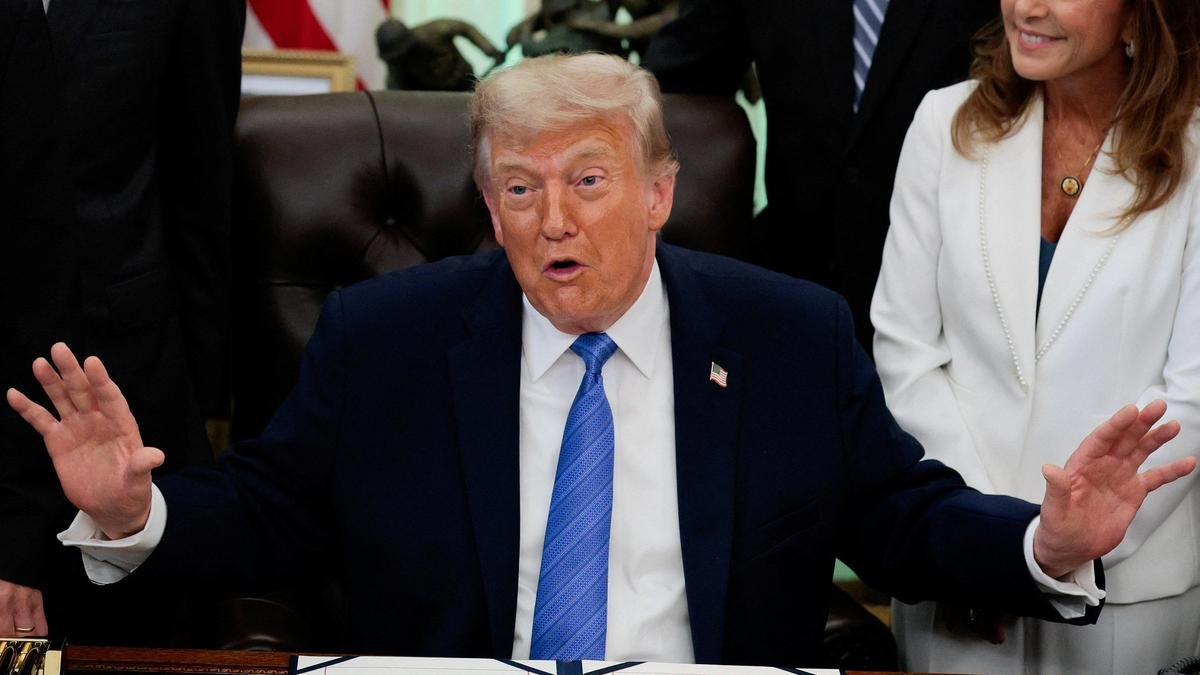
US President Donald Trump on Friday claimed that Washington had “ended the war with Iran” and announced what he described as a “great settlement” designed to resolve tensions involving the United States, Iran, and Israel while ensuring the reopening of the strategically vital Strait of Hormuz.
Trump said US Vice President JD Vance could attend a signing ceremony in Europe within days and asserted that Iran’s Supreme Leader had endorsed the framework. However, Iran’s Foreign Ministry spokesperson stated that Tehran had not yet made a final decision on any agreement.
According to a Bloomberg report, negotiators have prepared a draft Memorandum of Understanding (MoU) that could form the basis of a broader accord between Washington and Tehran. While not a final peace agreement, the proposal outlines a series of measures intended to reduce tensions, stabilise global energy markets, and pave the way for future negotiations.
Key Provisions of the Proposed Agreement
1. Reopening of the Strait of Hormuz
A central component of the proposed deal is the reopening of the Strait of Hormuz, the strategic waterway linking the Persian Gulf with the Arabian Sea and carrying nearly one-fifth of global oil shipments.
According to reports, Iran would commit to fully reopening the strait within 30 days and guarantee the unrestricted movement of commercial vessels without imposing tolls, restrictions, or other barriers. The move is viewed as crucial for restoring confidence in global energy markets, which have been rattled by concerns over potential disruptions to oil supplies.
2. US Sanctions Relief
In return, Washington would begin easing selected economic sanctions imposed on Iran. Reports suggest that restrictions on Iranian oil exports could be lifted, marking a significant shift in US policy and potentially providing much-needed relief to Iran’s economy.
Any sanctions relief, however, is expected to be conditional on Tehran’s compliance with the agreement’s terms.
3. Extension of Ceasefire Arrangement
The proposed framework also includes a 60-day extension of the existing ceasefire arrangement. The extension is intended to provide a stable environment for continued diplomatic engagement and broader negotiations.
The ceasefire would reportedly encompass other areas of regional tension, including conflicts involving Iran-backed groups across the Middle East.
4. Nuclear Commitments by Iran
The memorandum addresses concerns surrounding Iran’s nuclear programme, one of the most contentious issues in US-Iran relations.
Under the proposal, Iran would pledge not to pursue nuclear weapons and would enter discussions regarding the future of its enriched uranium stockpile. While the framework establishes broad principles, detailed issues such as enrichment levels, international inspections, and verification mechanisms would be addressed in subsequent negotiations.
5. Reduction of US Military Presence
One of the most significant elements reportedly under discussion is a US commitment to withdraw certain military forces and assets from areas surrounding Iran.
The move would represent a notable shift in Washington’s regional military posture and responds to Tehran’s long-standing demand for a reduced American military presence near its borders.
High Stakes for Regional Stability
The proposed agreement comes at a critical juncture as tensions between Washington and Tehran remain elevated. Concerns over Gulf shipping routes, threats to energy infrastructure, and the risk of a wider regional conflict have drawn close international attention.
A successful agreement could have far-reaching implications. Reopening the Strait of Hormuz would help secure global oil supplies and ease pressure on energy markets, while sanctions relief could provide a significant boost to Iran’s economy. At the same time, renewed nuclear commitments could revive diplomatic efforts that have remained stalled for years.
While significant hurdles remain, the draft framework signals a potential shift from confrontation toward diplomacy in one of the world’s most volatile regions.