
Agencies | Washington:
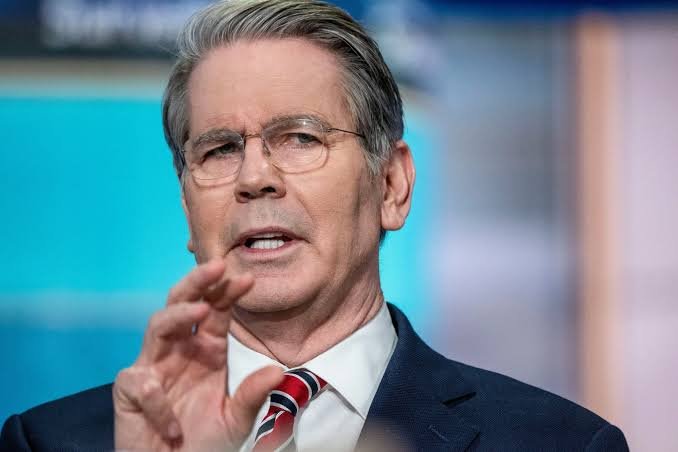
Washington: The United States and Iran could reach an agreement as early as Tuesday or Wednesday to reopen the Strait of Hormuz and restore the free movement of commercial shipping, US Treasury Secretary Scott Bessent said, raising hopes of easing tensions in one of the world’s most strategically important maritime corridors.
Speaking in an interview with CNBC’s Squawk Box, Bessent said negotiations between Washington and Tehran were continuing and that a breakthrough could come within days.
“We are in talks with the Iranians,” Bessent said. “There is a chance we may have a deal today or tomorrow to open the strait and move towards a more normalised position in this conflict.”
Asked whether Iran would be permitted to levy tolls on commercial vessels using the strategic waterway, Bessent said the proposed agreement would ensure unrestricted navigation.
“It would be freedom of movement,” he said.
The Strait of Hormuz, through which a significant share of the world’s oil, liquefied natural gas and other commercial cargo passes, is regarded as one of the most critical maritime trade routes globally.
Oil Prices Decline
Global oil markets reacted positively to Bessent’s remarks, with US crude oil futures falling about 3 per cent to below $78 per barrel on expectations that a reopening of the shipping lane would ease supply concerns.
Bessent said prices could decline further once the large number of commercial vessels currently stranded in the Persian Gulf resume normal operations.
“It’s not just energy. It’s fertiliser, refined products and various industrial gases,” he said, adding that markets could witness significant relief as supply chains normalise.
Trump Says Military Action Was Paused
US President Donald Trump said on Saturday that he had called off a planned military strike against Iran to provide space for negotiations aimed at reopening the Strait of Hormuz.
Trump has previously announced possible agreements intended to de-escalate tensions with Tehran, although several earlier diplomatic efforts were followed by renewed hostilities.
The latest round of negotiations comes as both countries seek a mechanism to restore commercial shipping through the strategically vital waterway.
Earlier Agreement Failed
According to officials, the United States and Iran had signed a memorandum of understanding on June 17 to facilitate the reopening of the Strait of Hormuz. Although commercial shipping briefly resumed following the agreement, the arrangement later collapsed amid disagreements over designated navigation routes for vessels transiting the strait.
Subsequently, tensions escalated as Iran allegedly targeted commercial tankers operating along Oman’s coast under US naval protection, prompting Washington to launch multiple rounds of airstrikes and reinforce its naval presence in the region.
Officials familiar with the negotiations said Tehran has sought to route commercial vessels through Iranian territorial waters while transiting the strait, an issue that remains central to the ongoing talks.
The current negotiations aim to resolve those differences and restore uninterrupted commercial shipping through one of the world’s busiest and most strategically significant maritime trade corridors.